
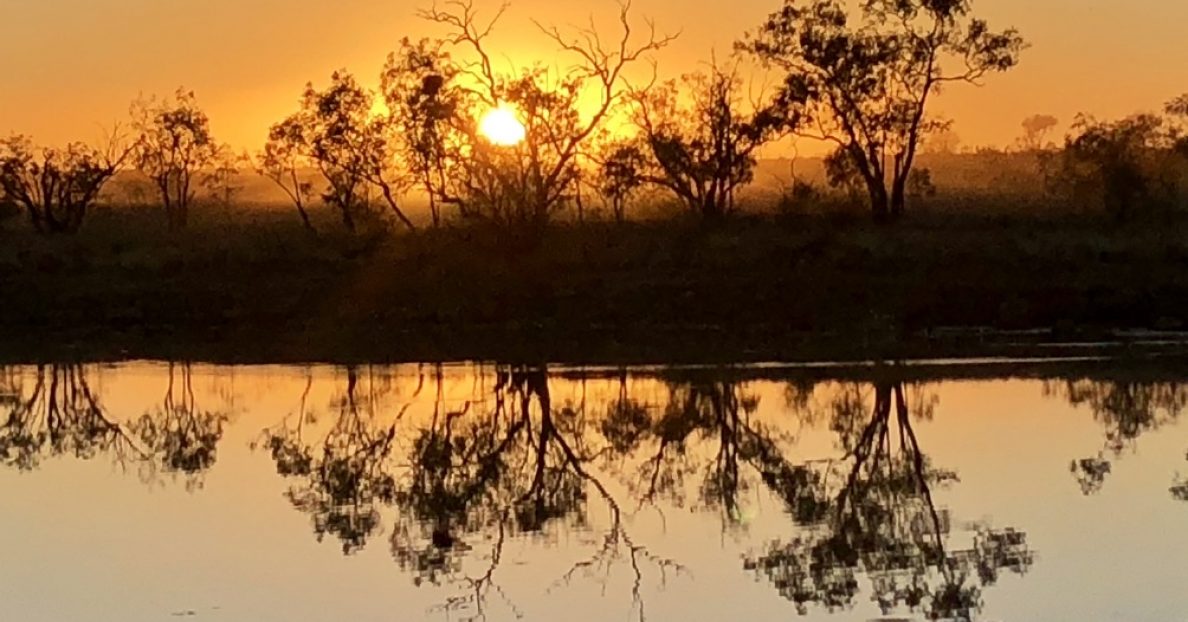
26 OCTOBER 2021
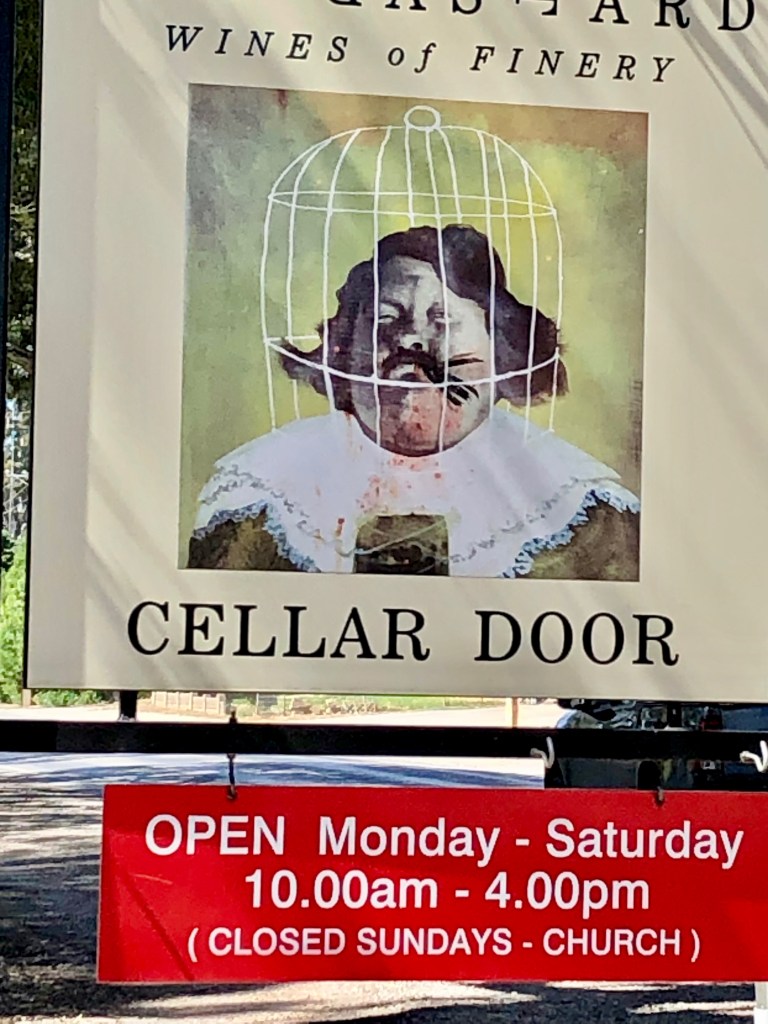
Before returning to Burra this morning, we dropped into the Mad Bastard Winery owned by another of the Barry family, Mark. The drive up to the Cellar Door took us through lovely thick green corridors of trees, and past some amusing signs. We had tried to call in on Sunday, however the sign on the closed gate indicated they were at church. Their ‘sister’ winery, Good Catholic Girl with all their religious icons was, however, open on Sunday.

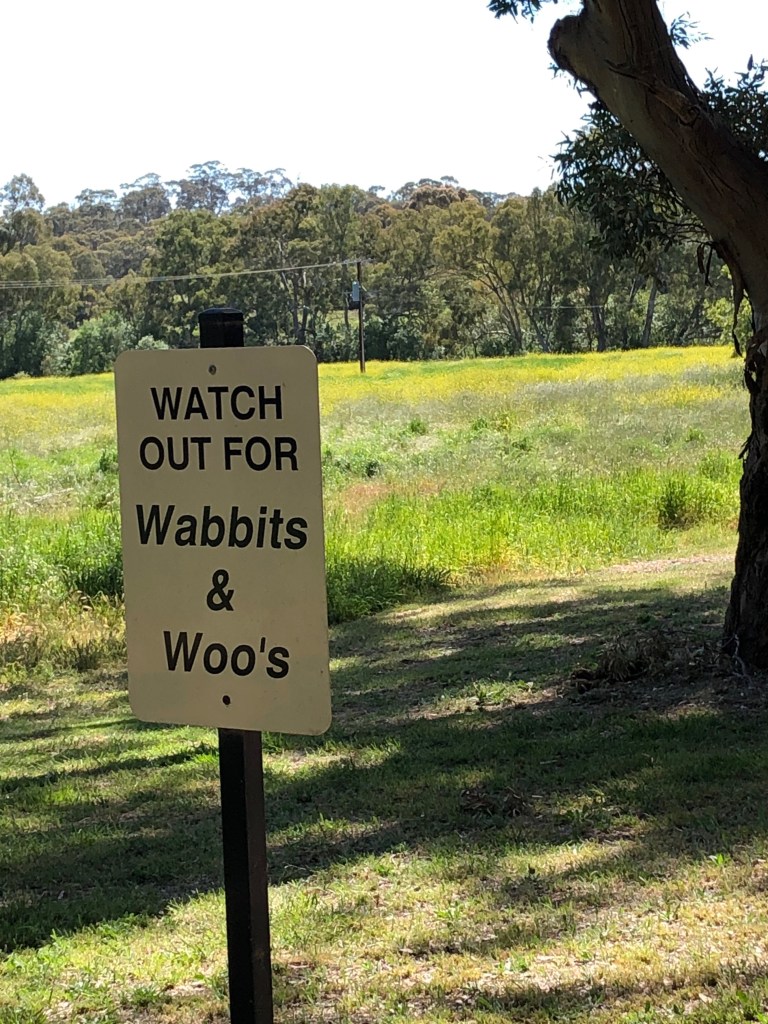
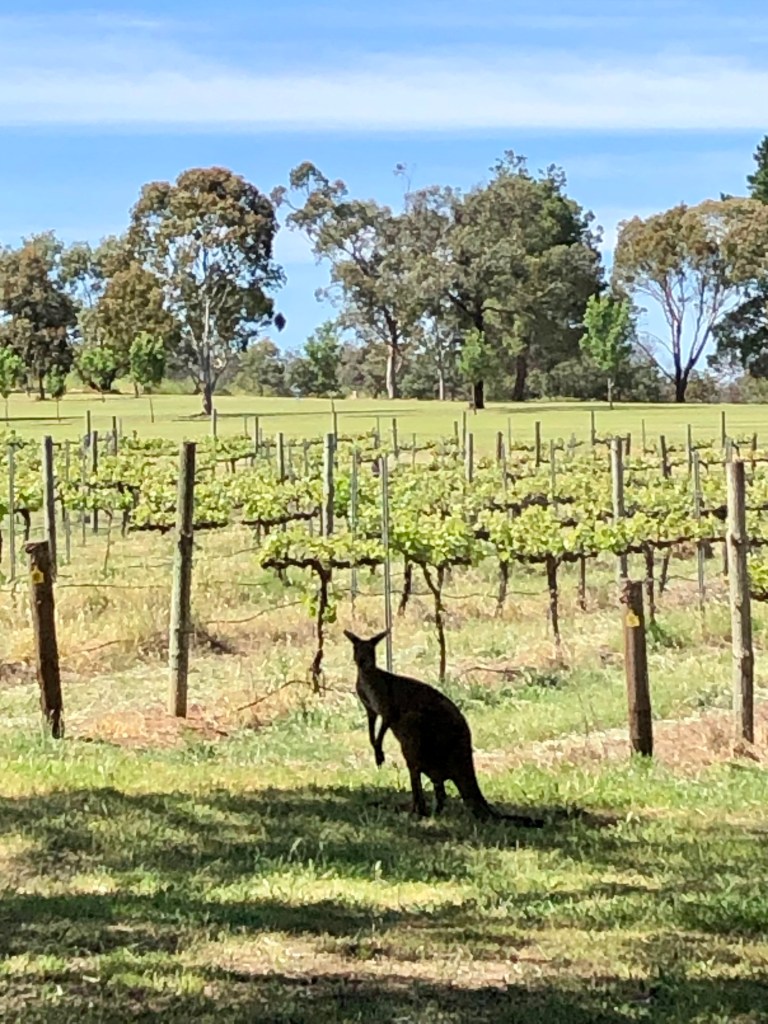

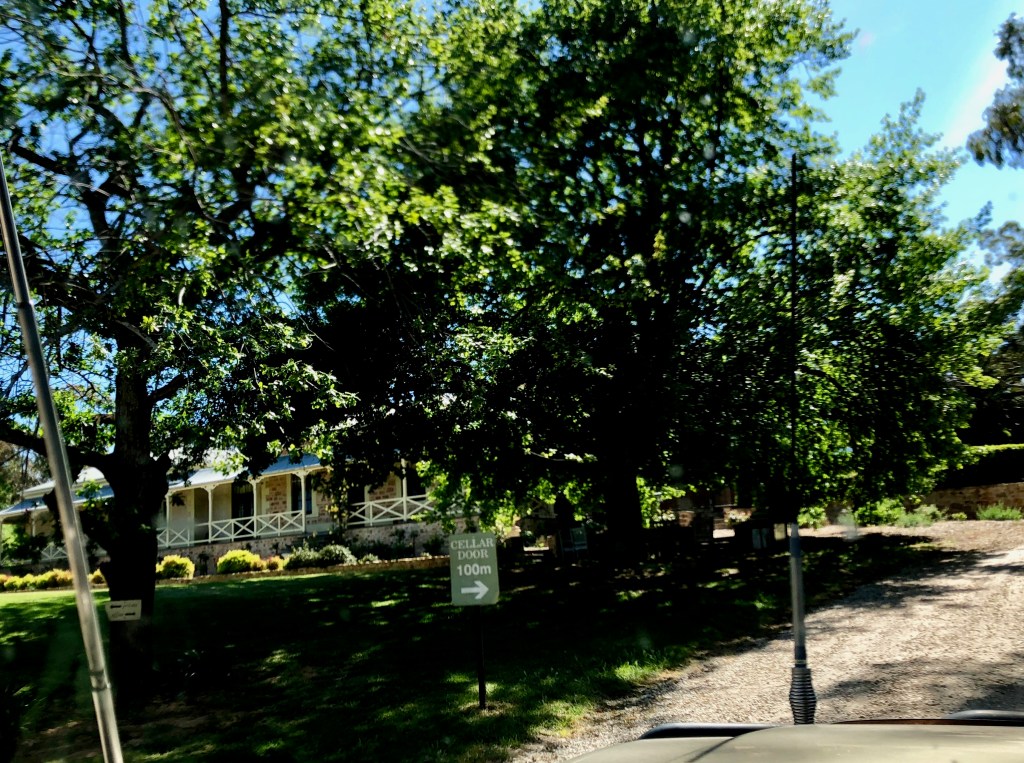
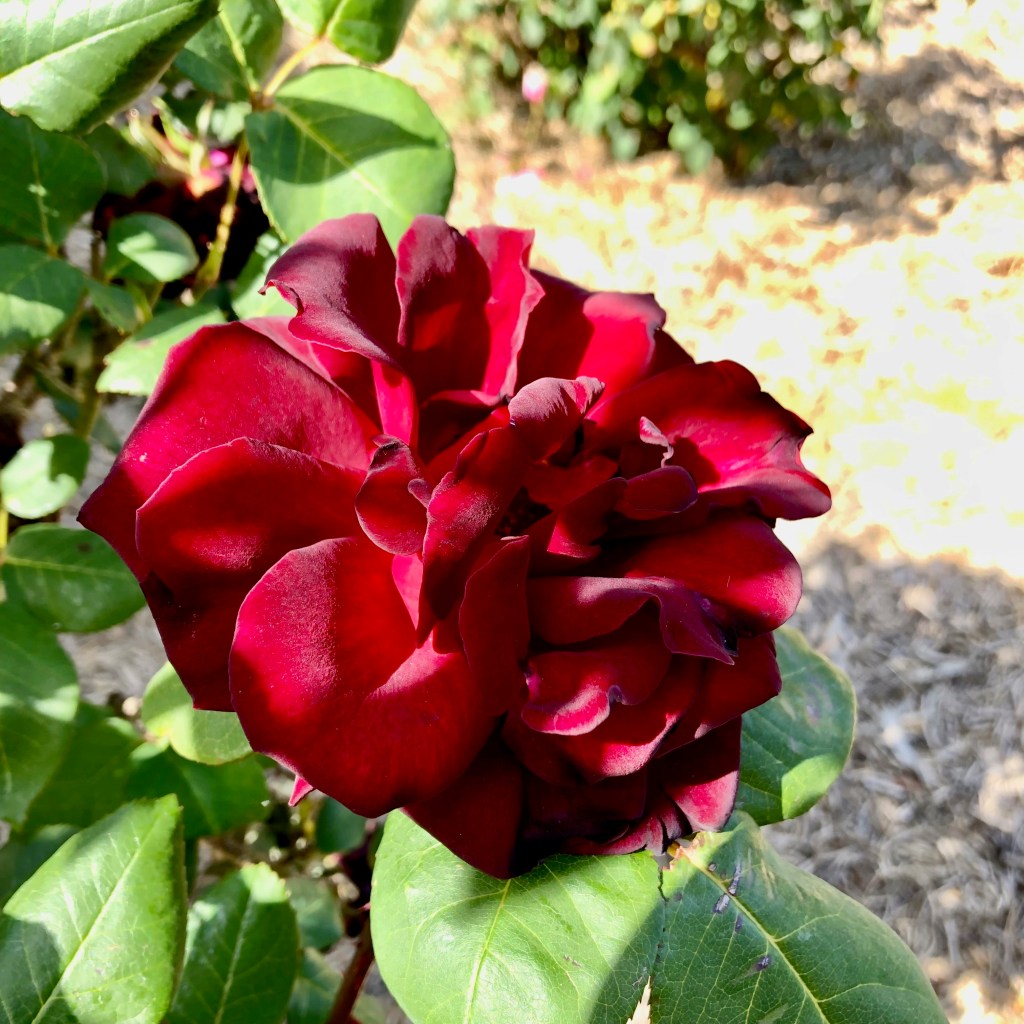
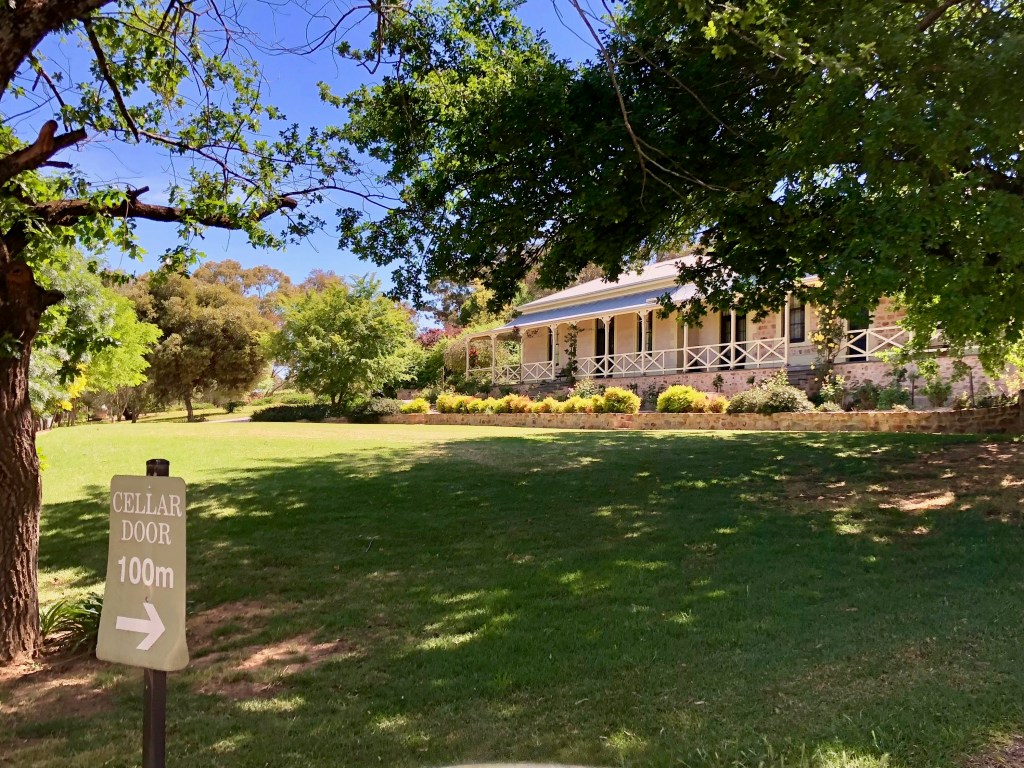
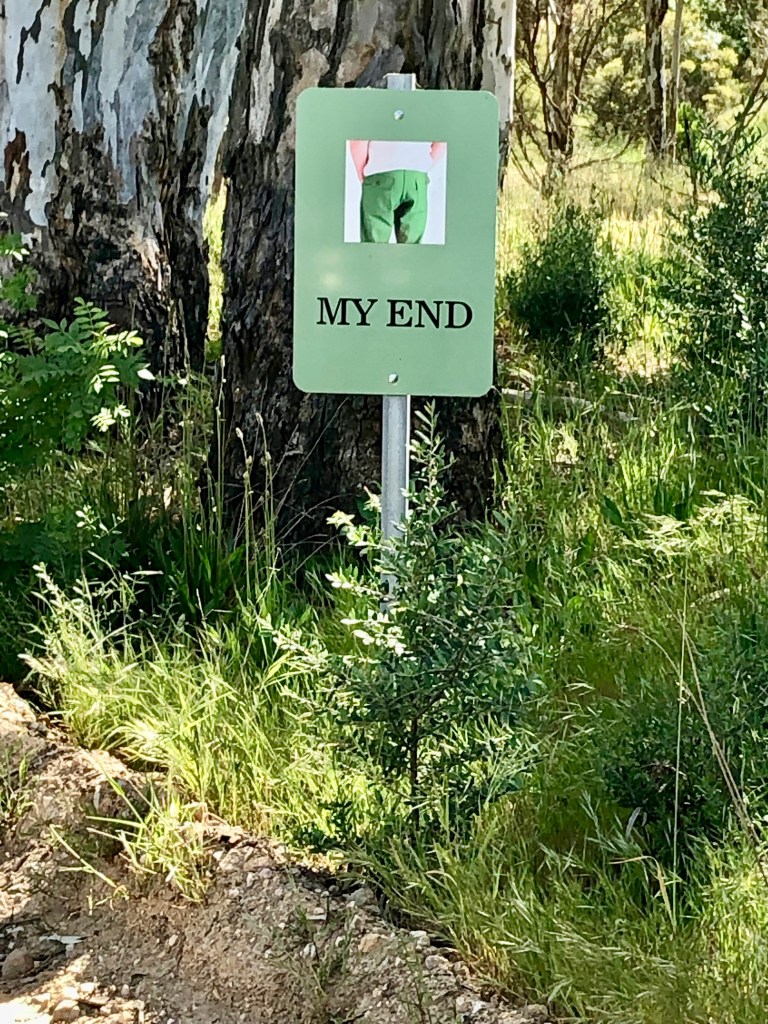
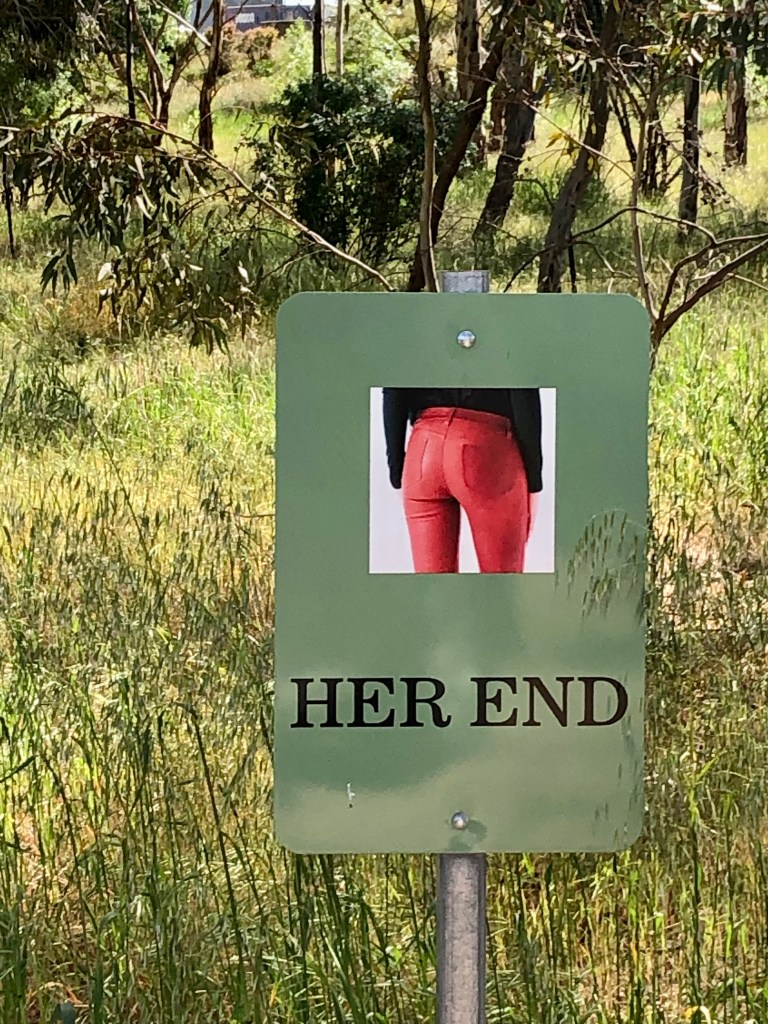
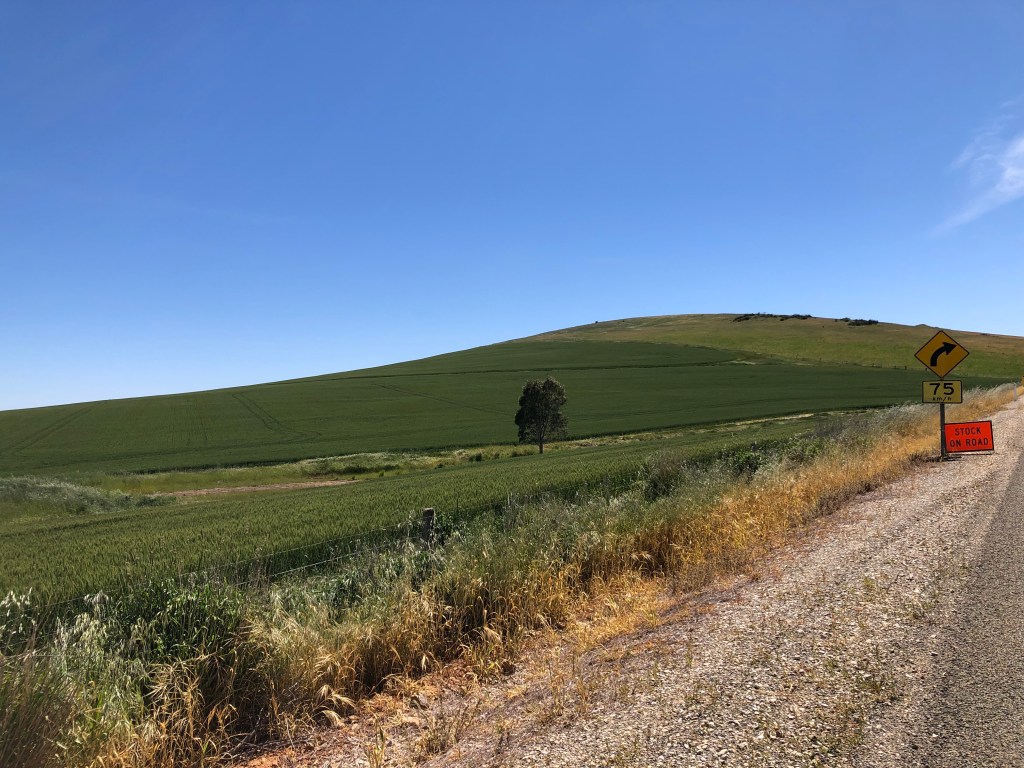
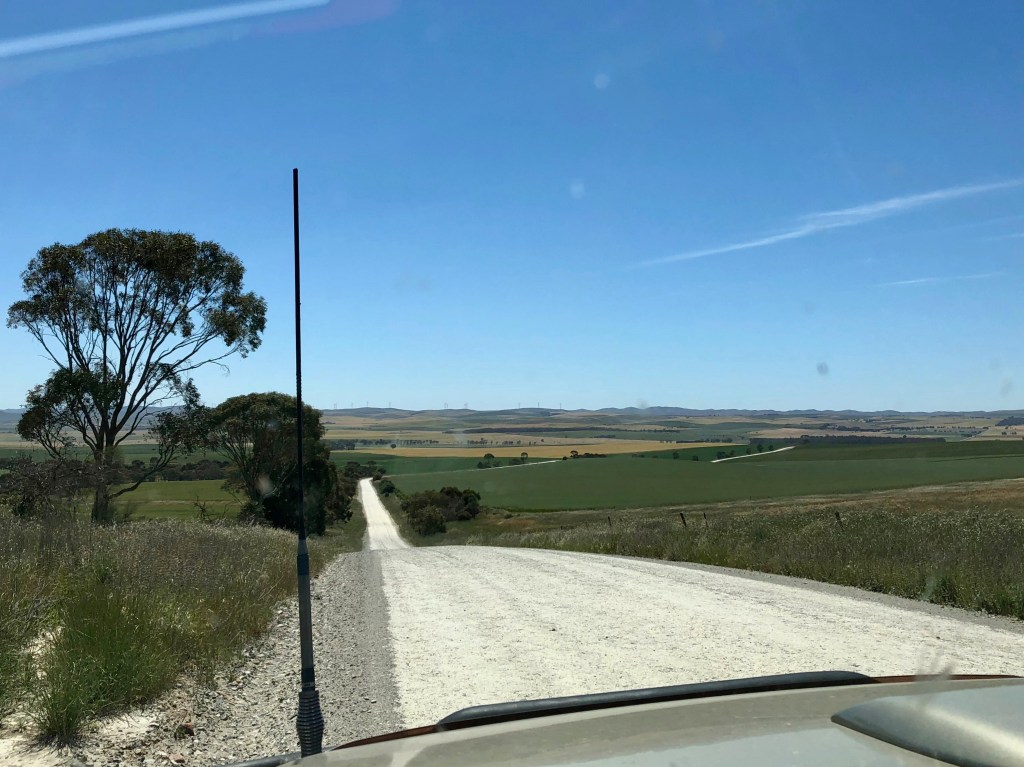
We enjoyed our brief tasting, mainly of the reds, then continued on to Burra. Norm found another road less travelled, through beautiful agricultural land. Several of the fields are now being harvested, changing the green and yellow patchwork paddock quilt to green, yellow and golden brown.


BURRA MINE HISTORIC SITE
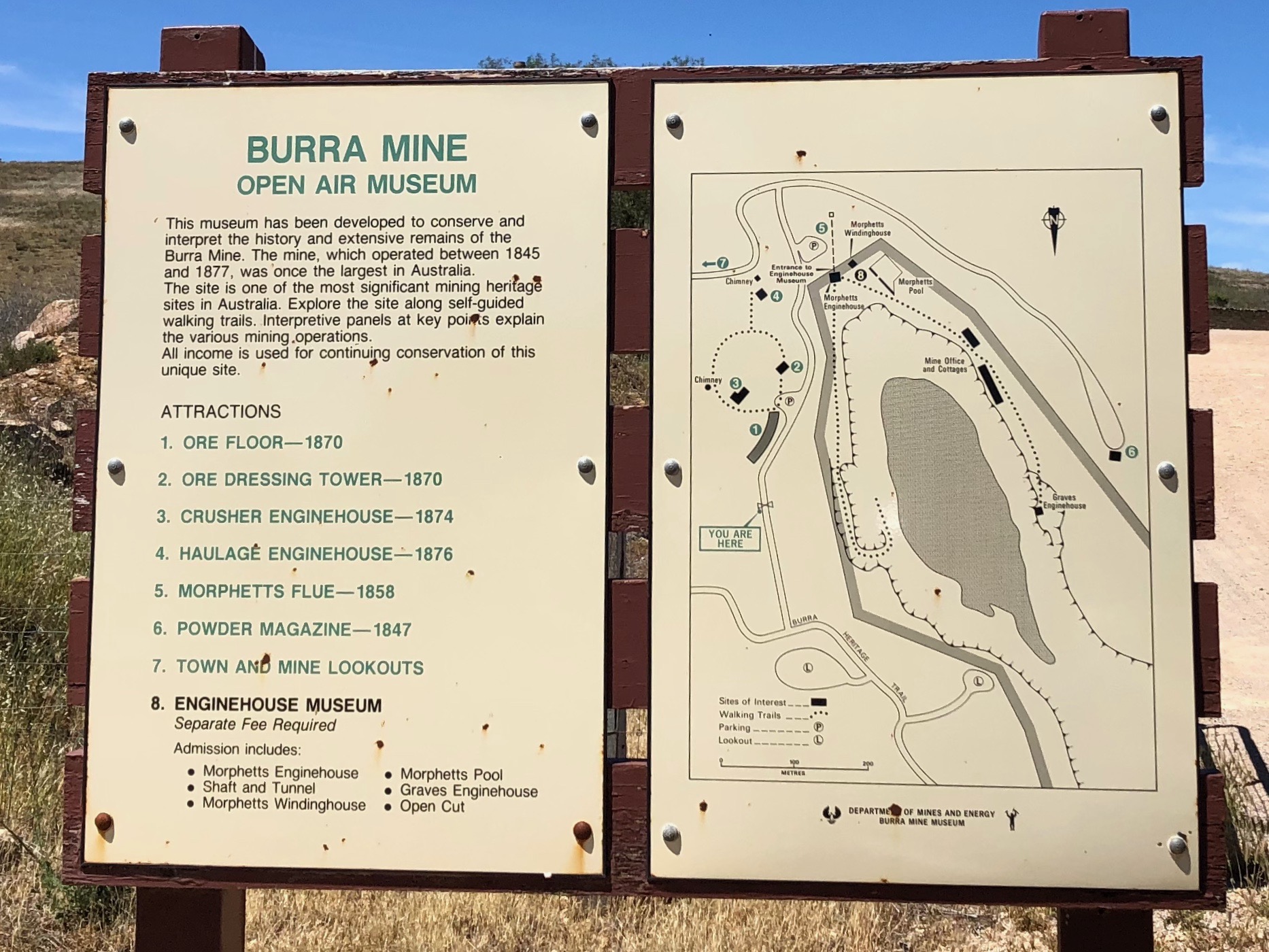
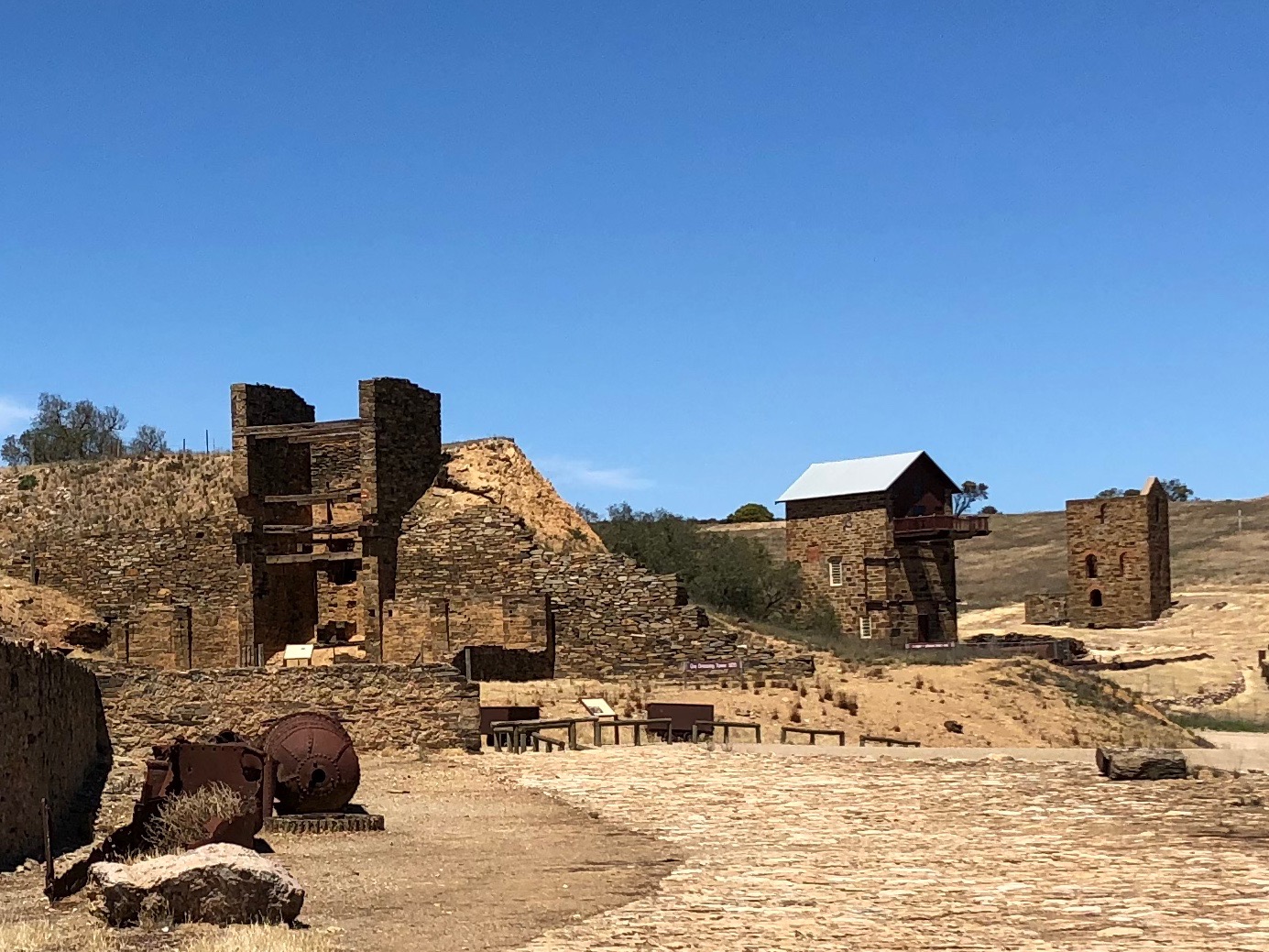
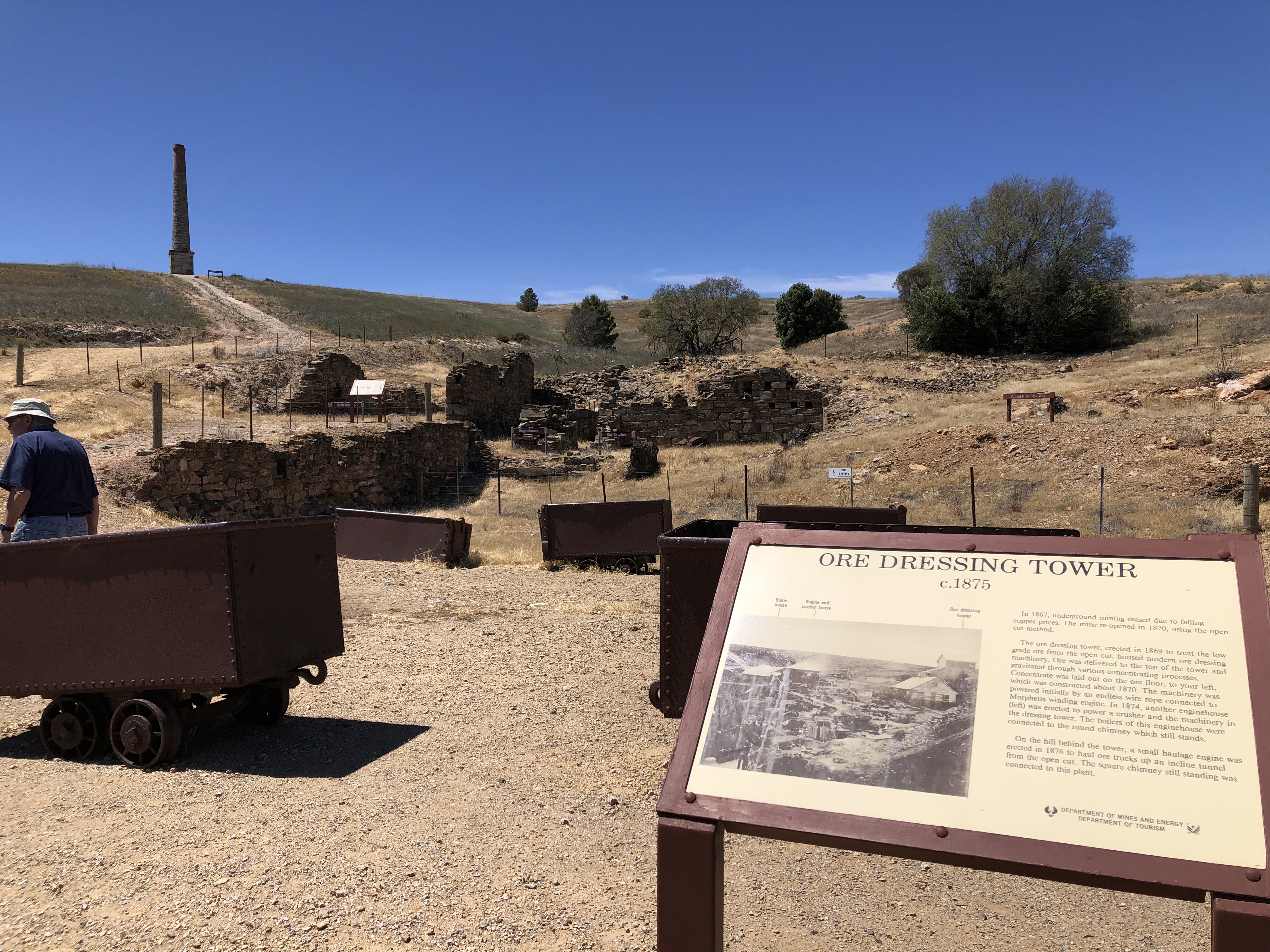
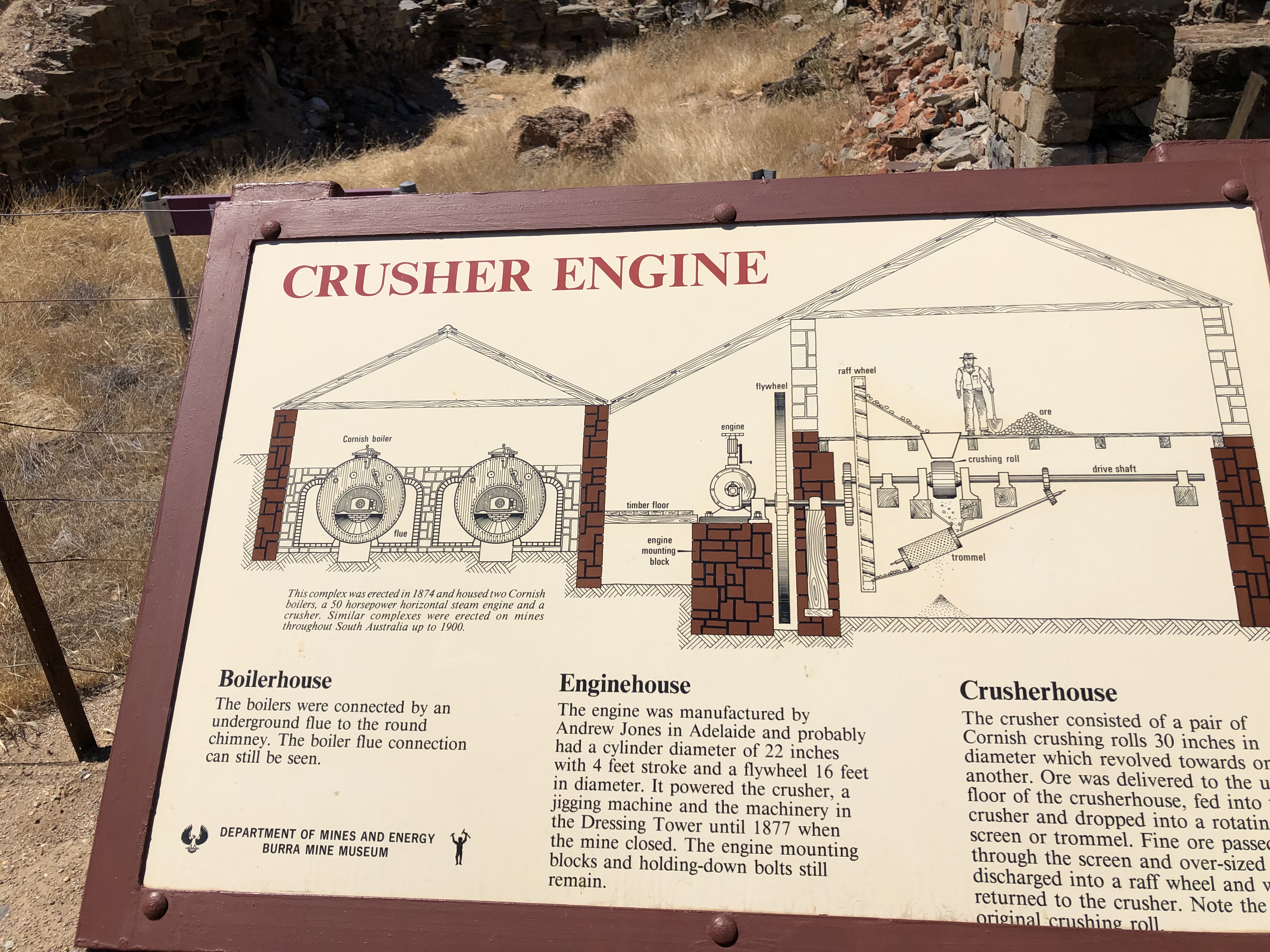
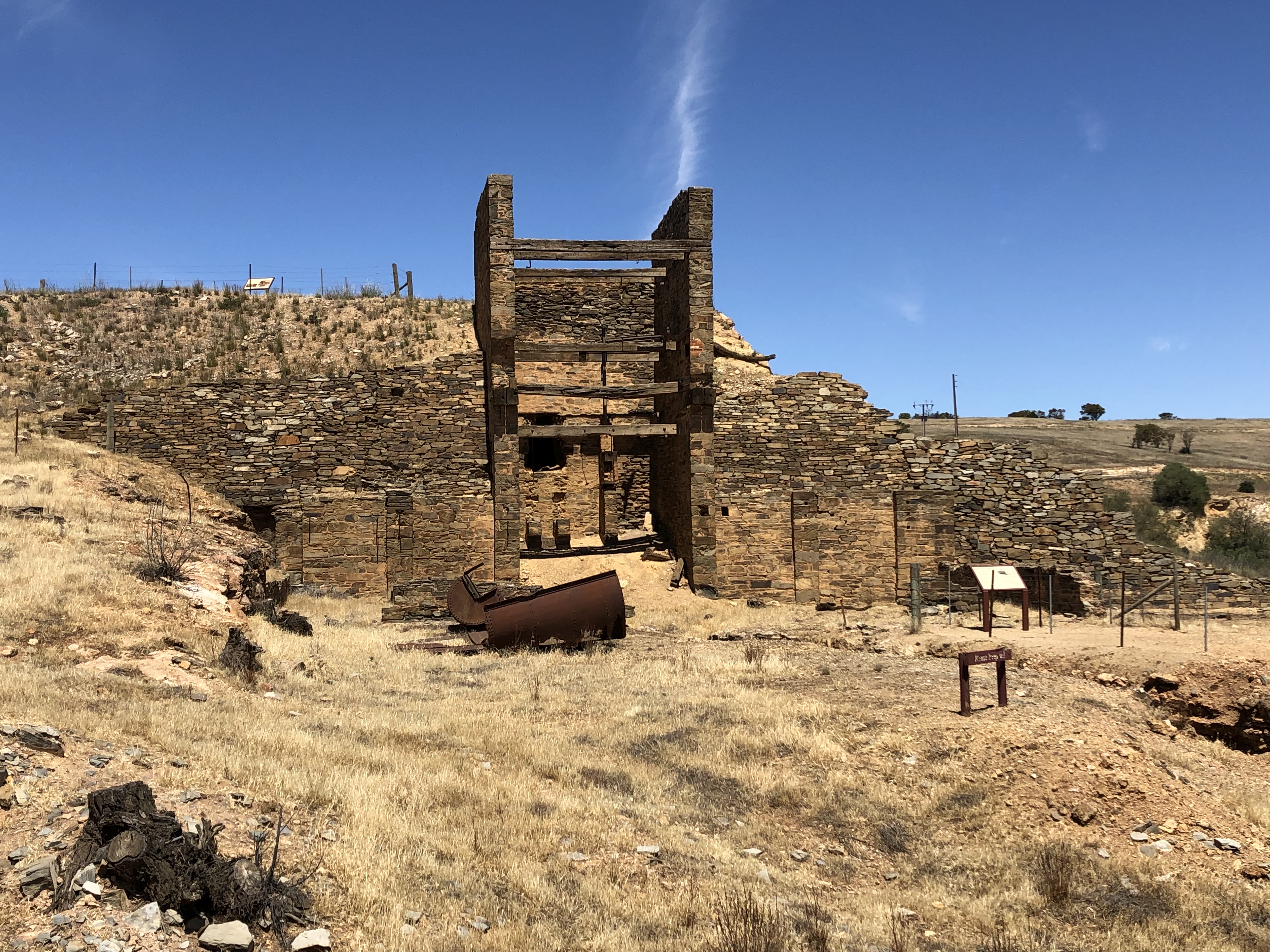
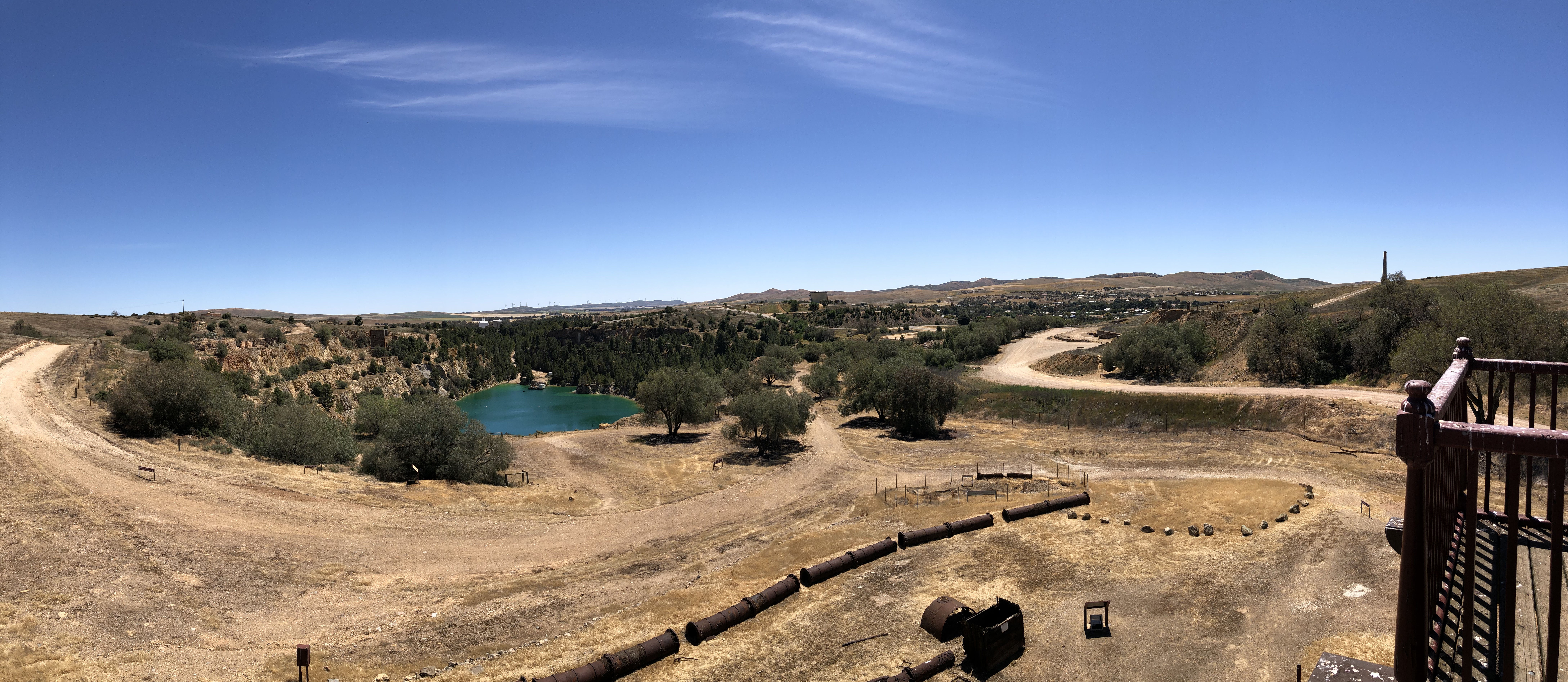
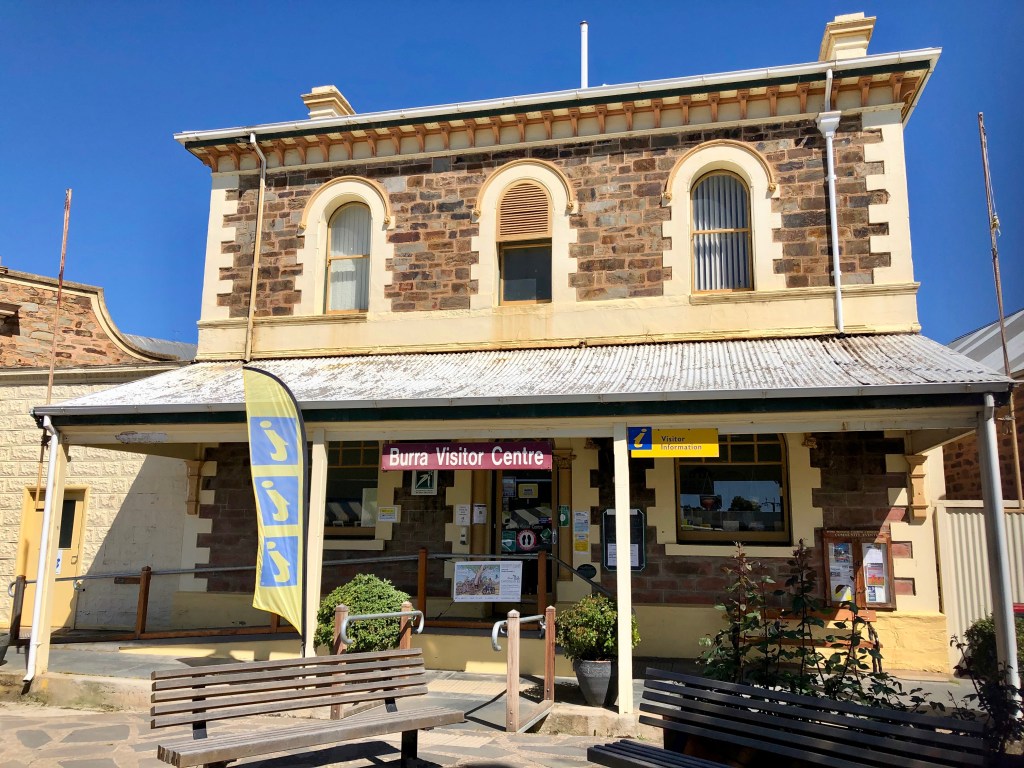
The Burra Mine historic site was so interesting. Although we had previously explored this site, this time there was no personal guide. Entry is via a key that we were given to use at the Tourist Information Centre. There are many informative information signs and this time we were able to go into several of the restored constructions, including:
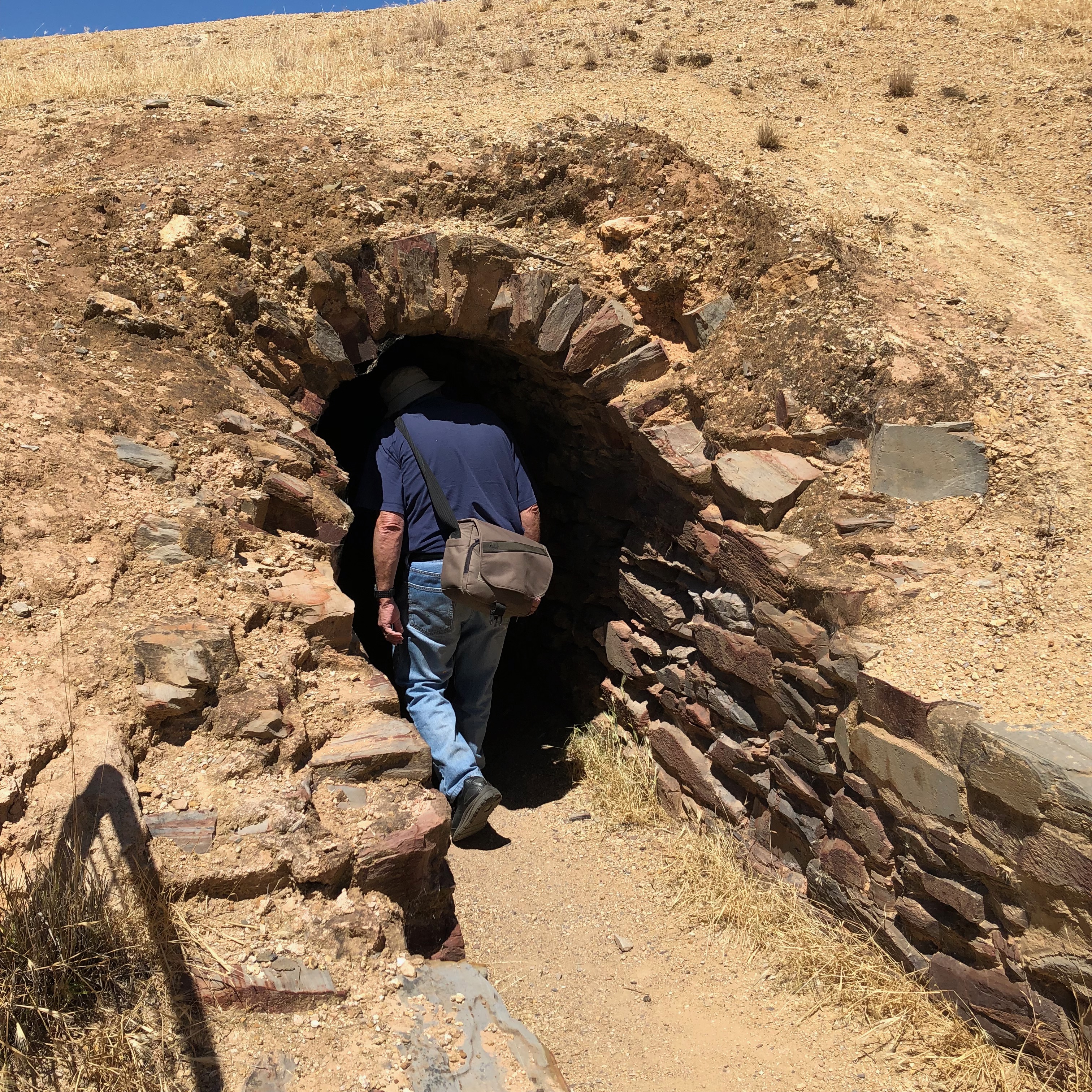
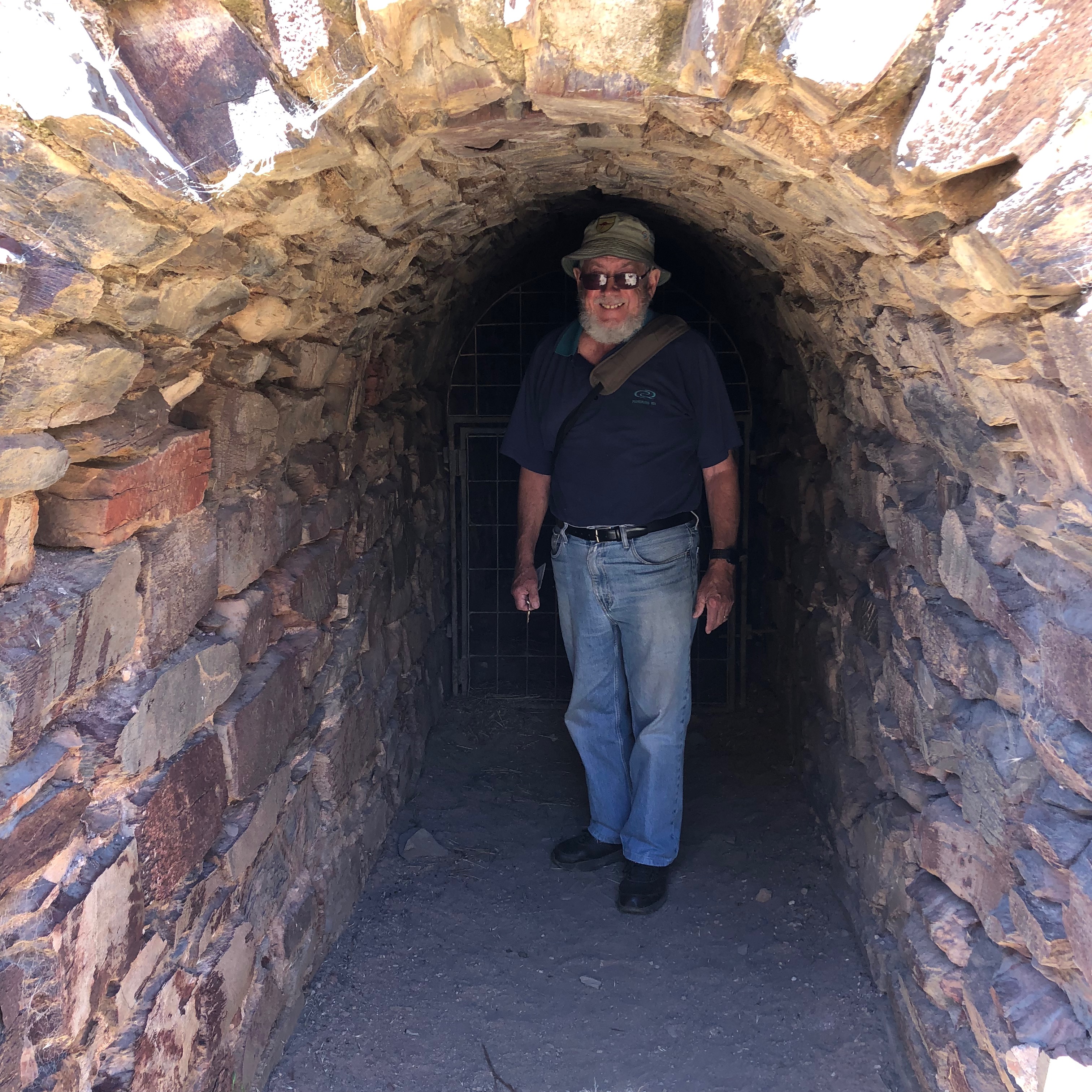
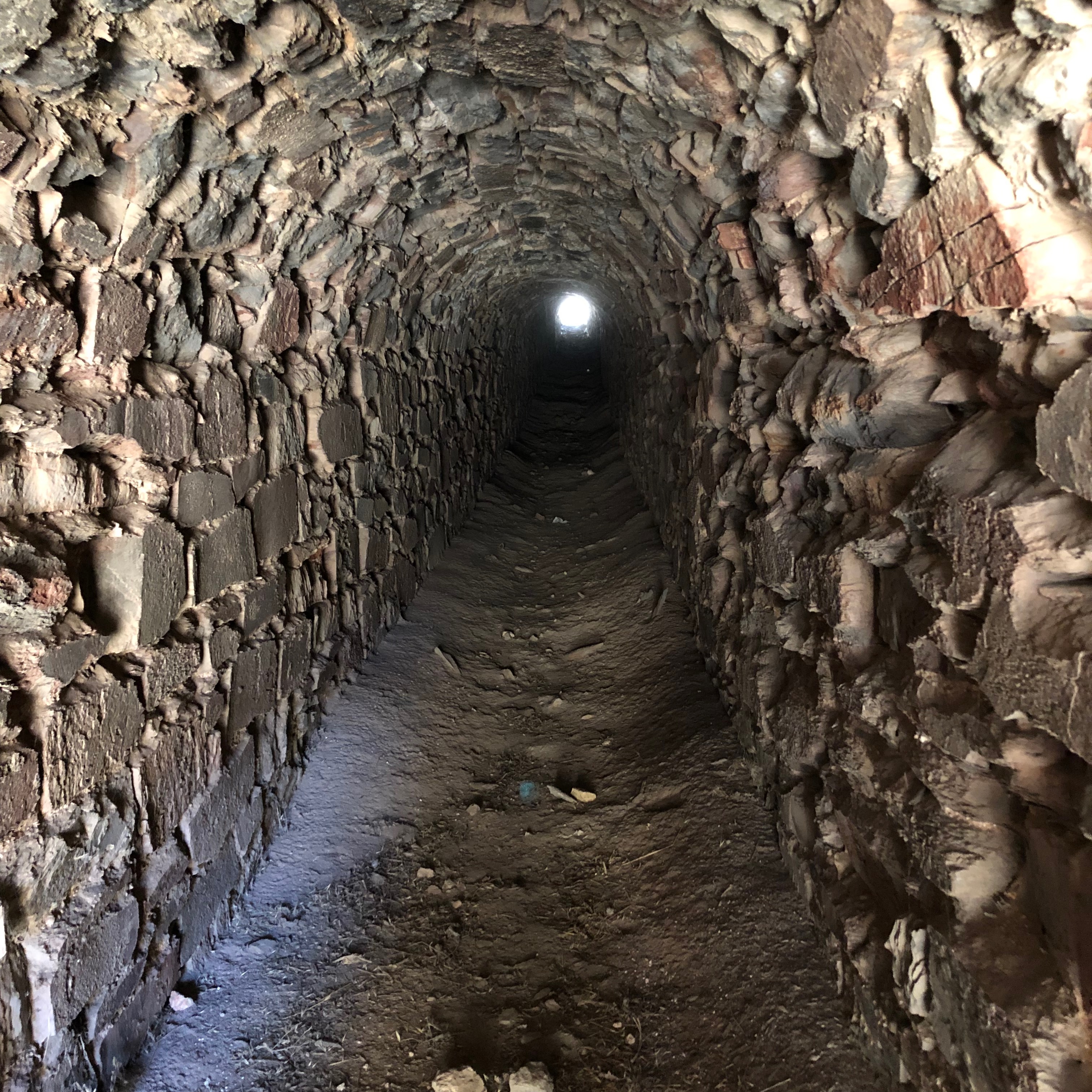
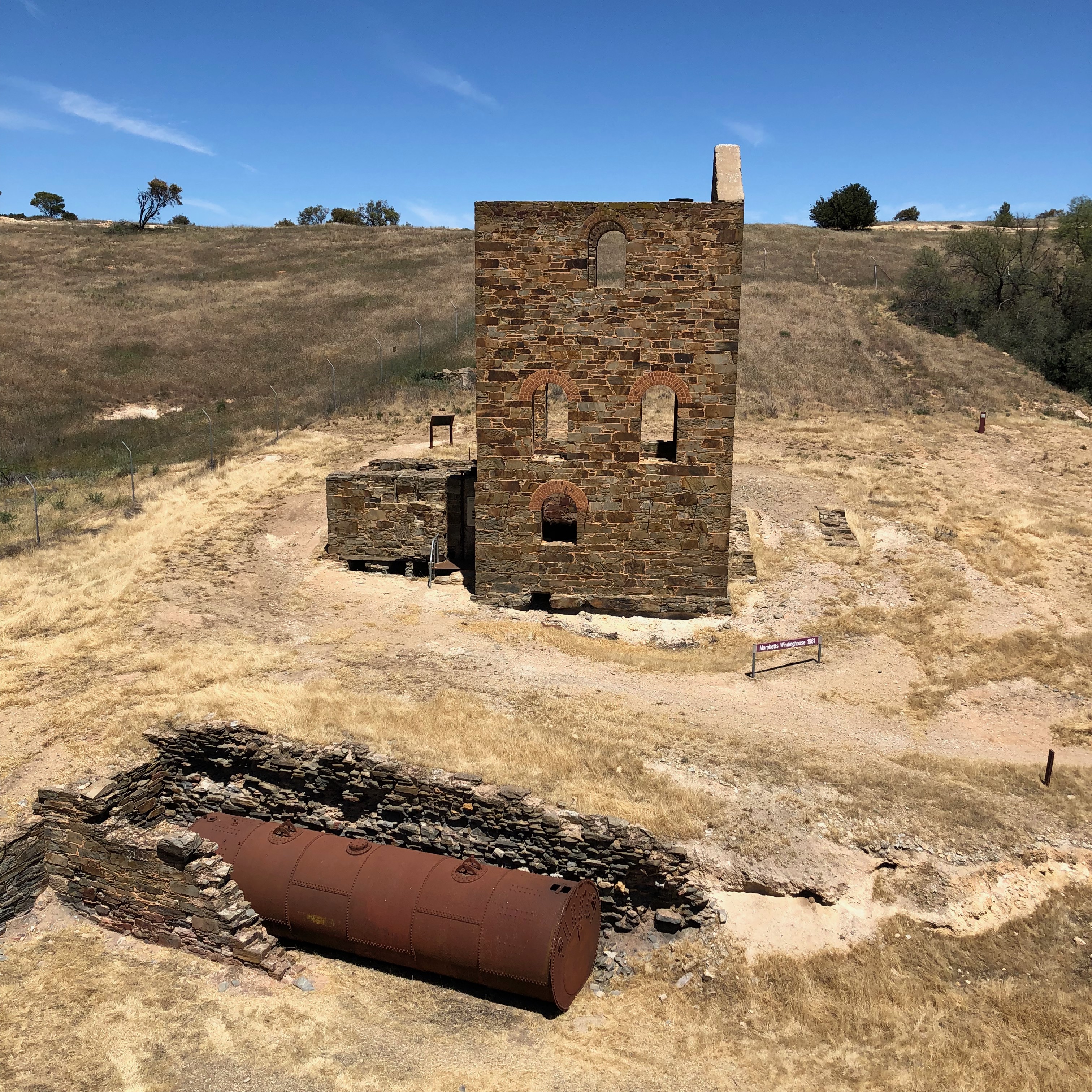
a section of the old flue that ventilated the boiler, which provided steam power to the Pump in the Morphett’s Engine House.
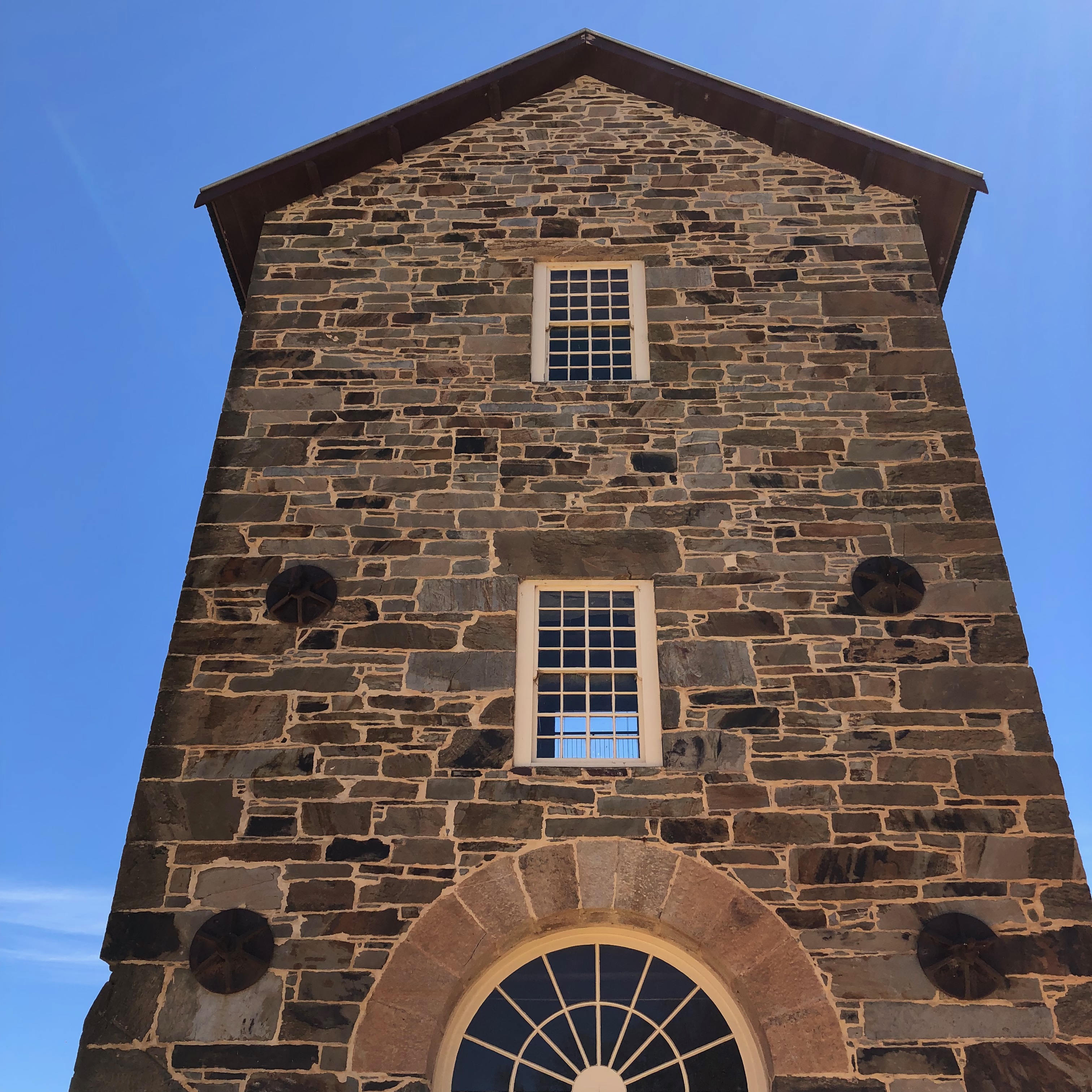
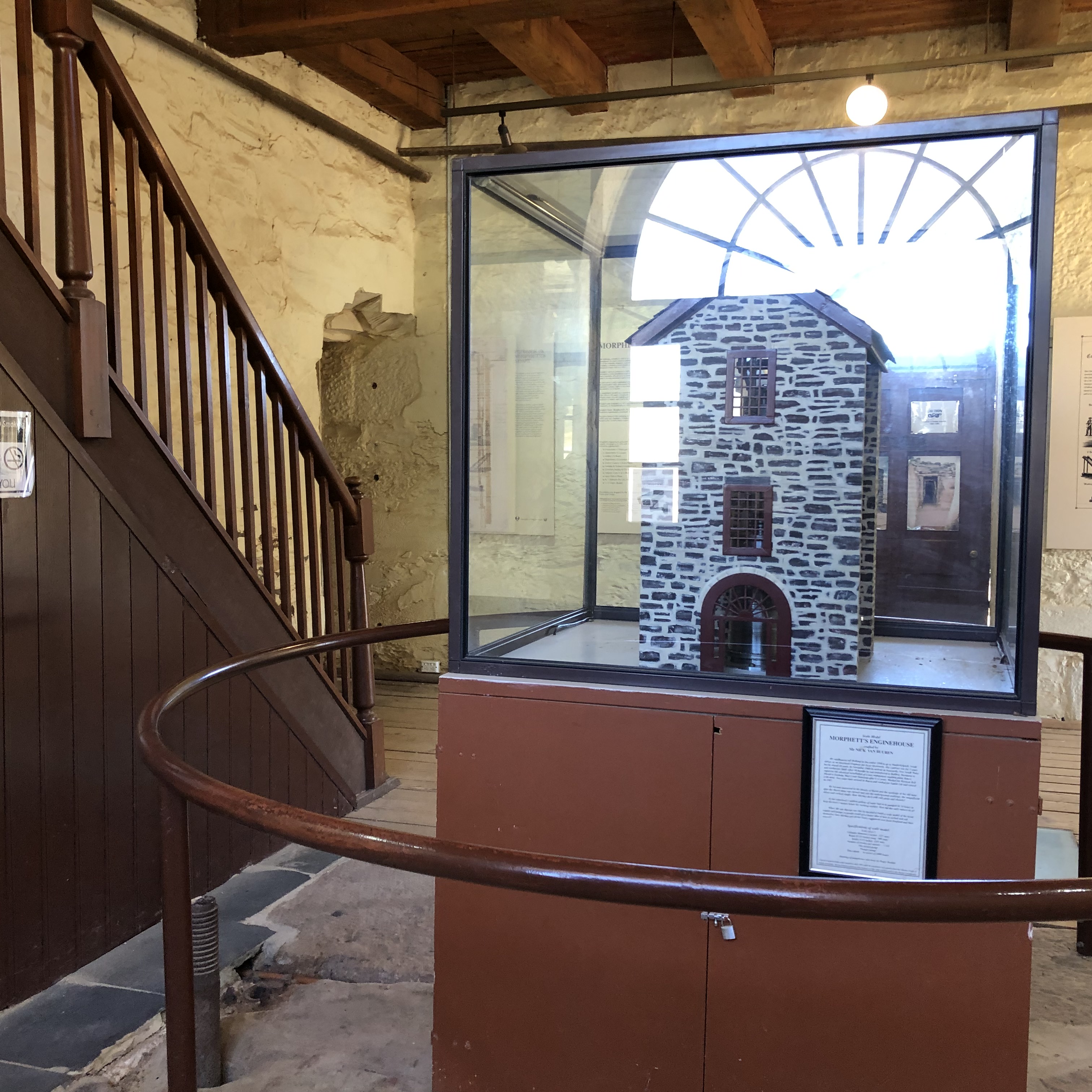
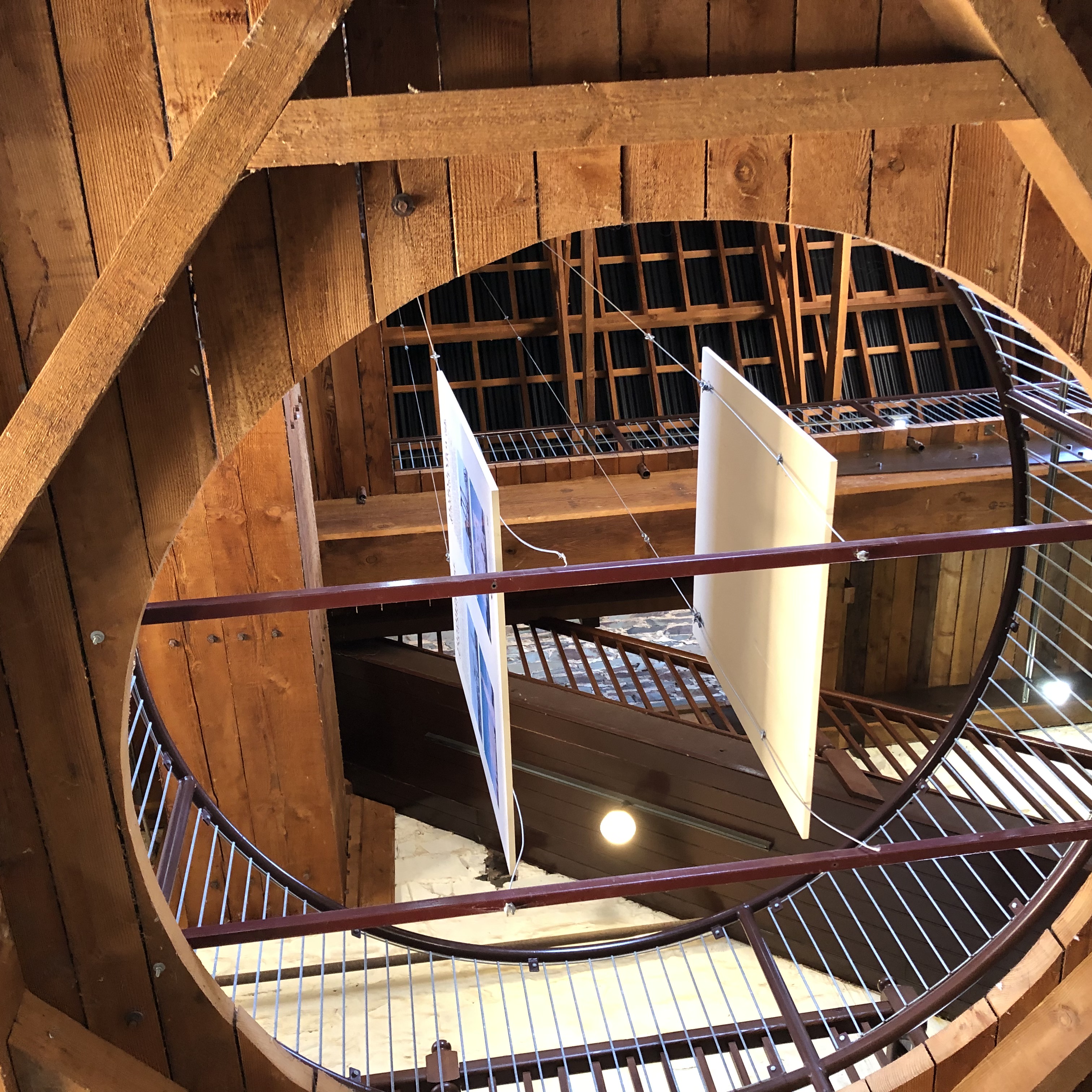
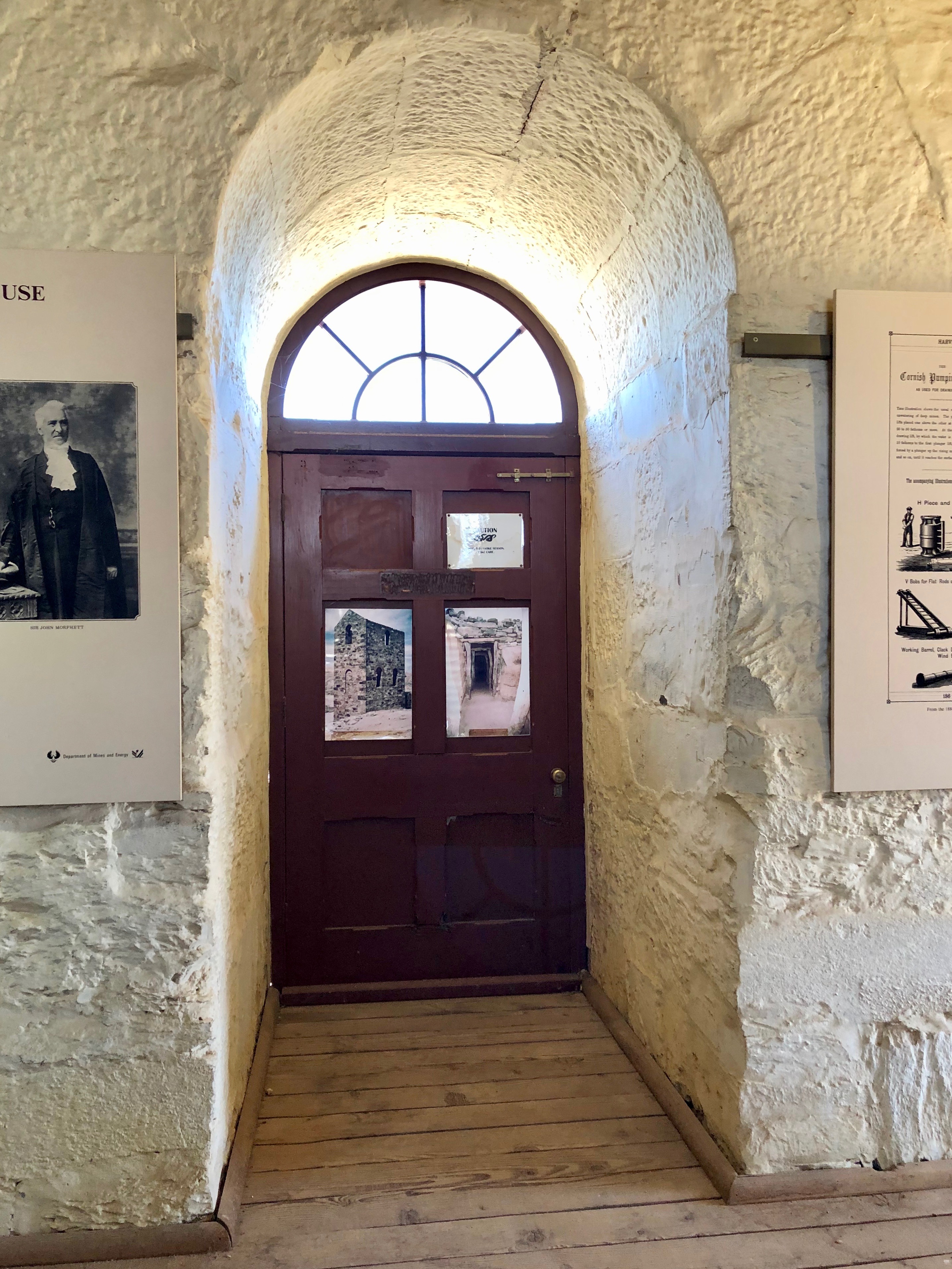
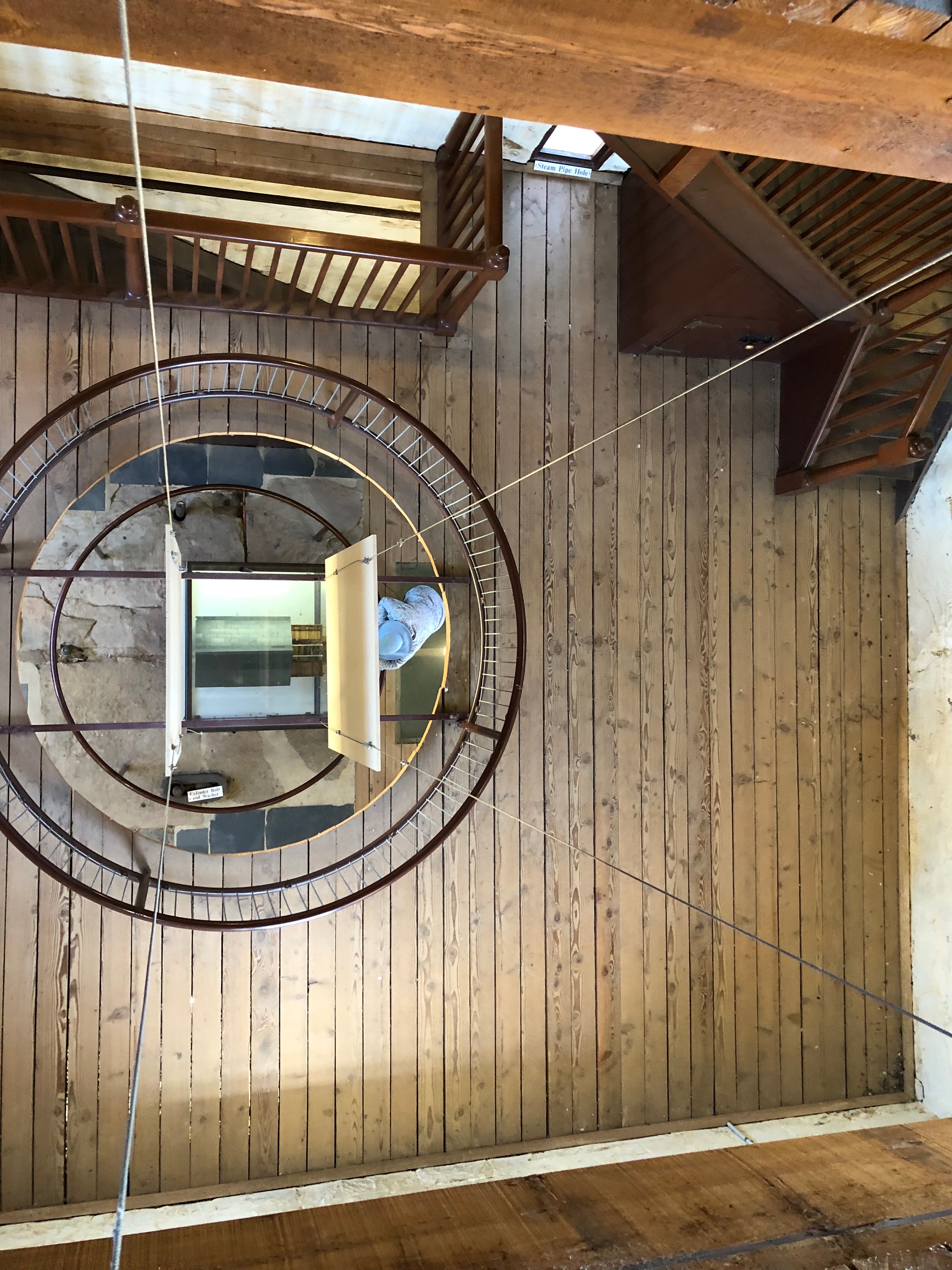
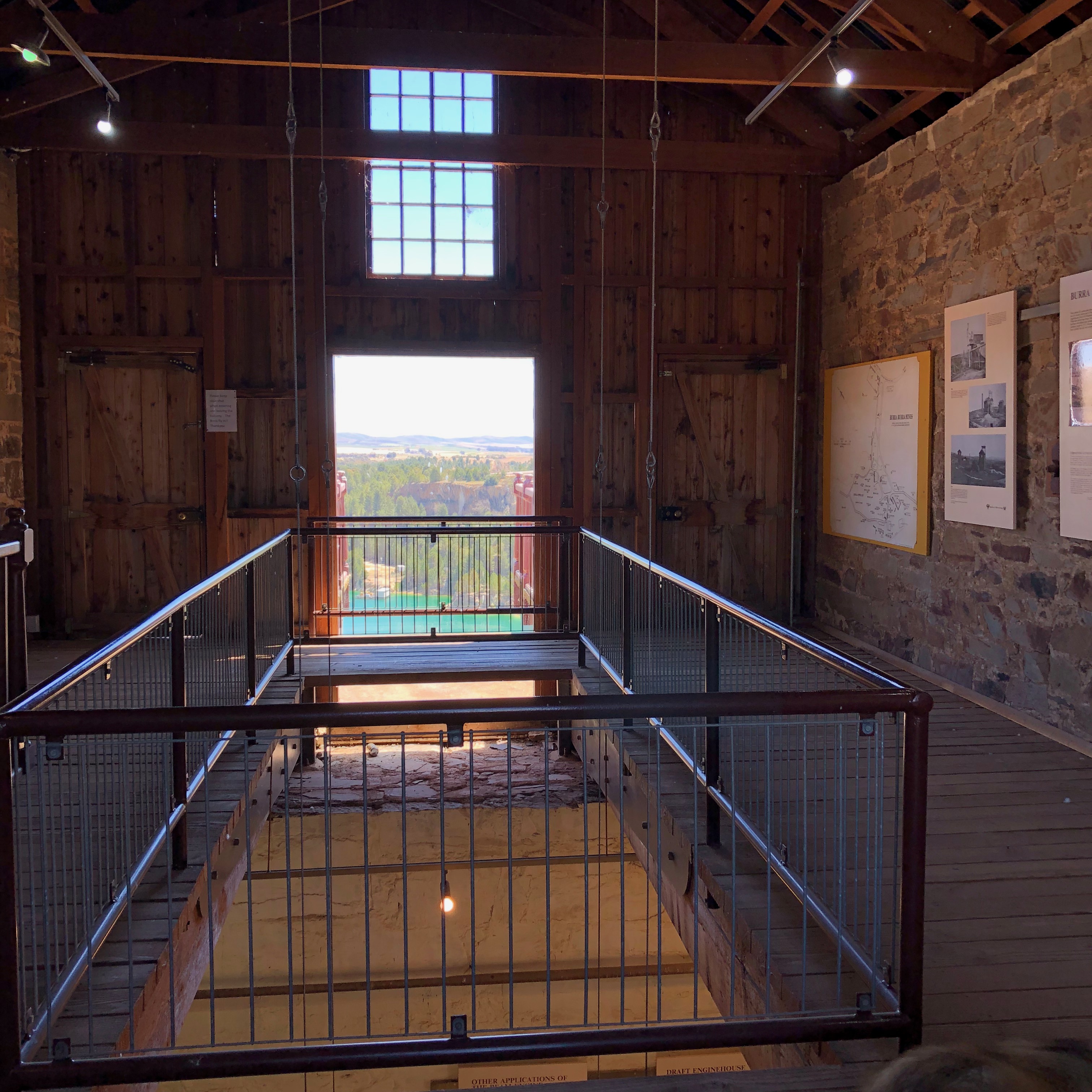
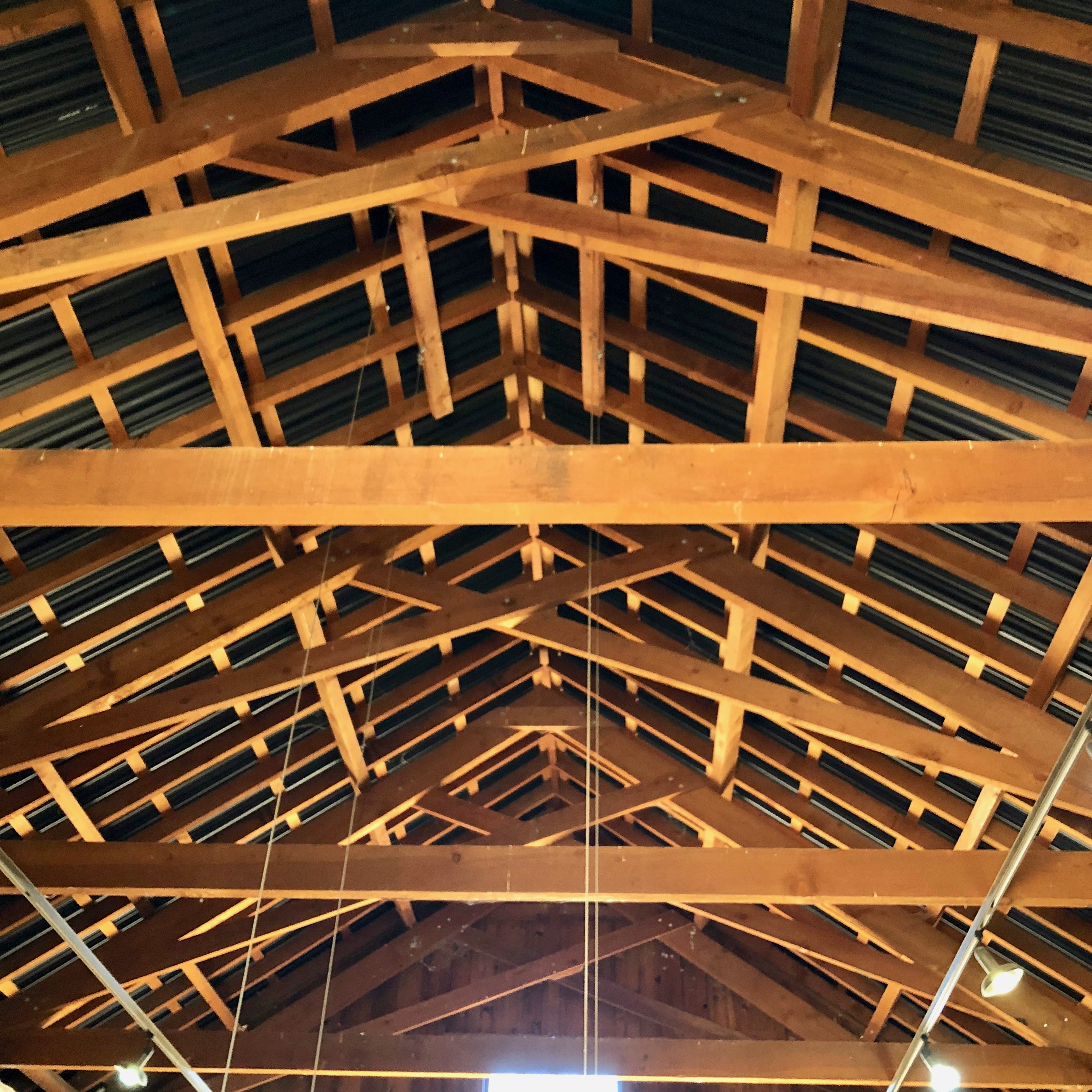
the Enginehouse, originally constructed in 1858, gutted by fire in 1925 and fully restored in 1986. It is thought to be the only reconstructed Cornish enginehouse in the world. There are views from the top of the Pumphouse, back over the beautiful blue open cut water hole; and
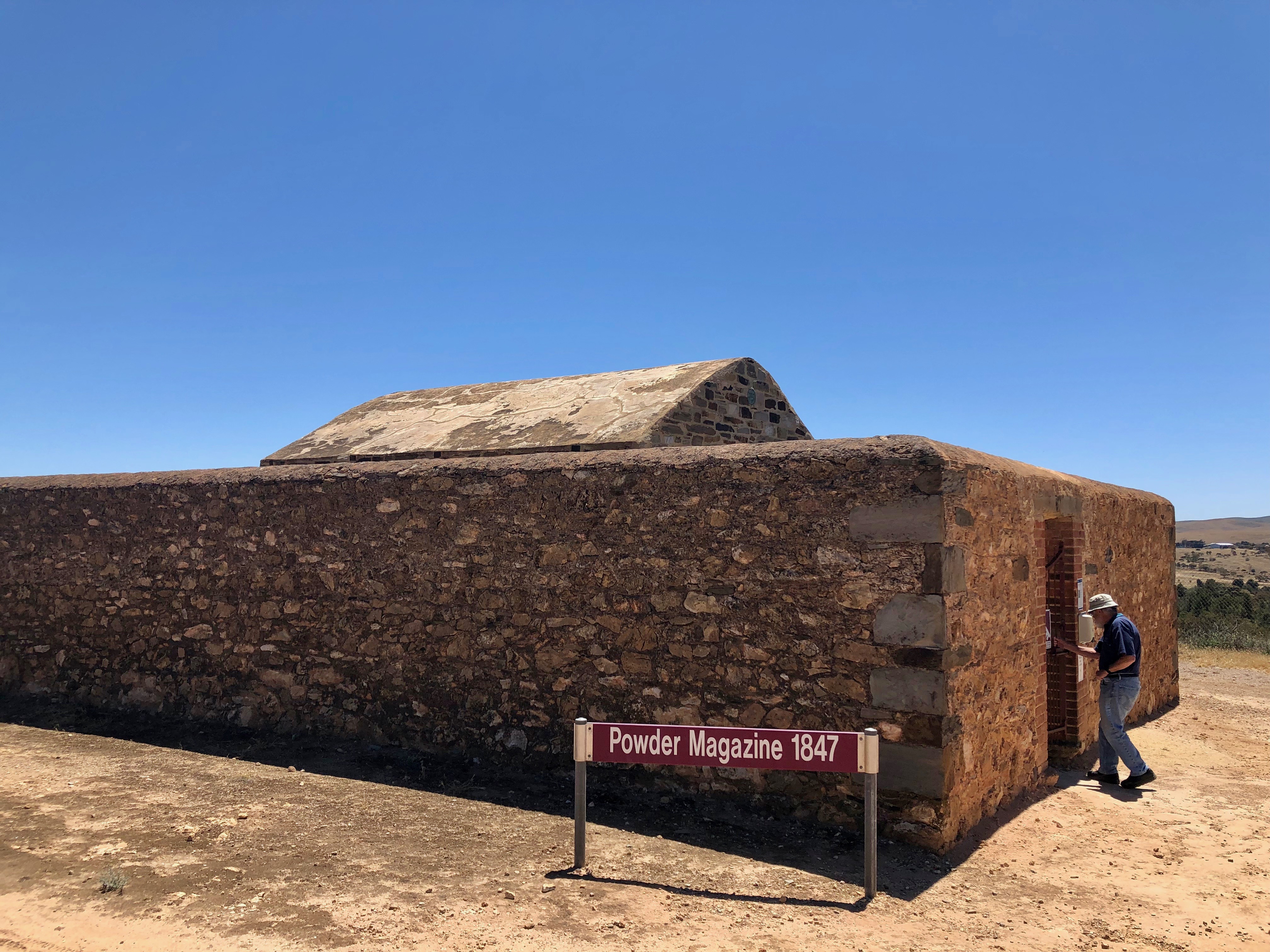
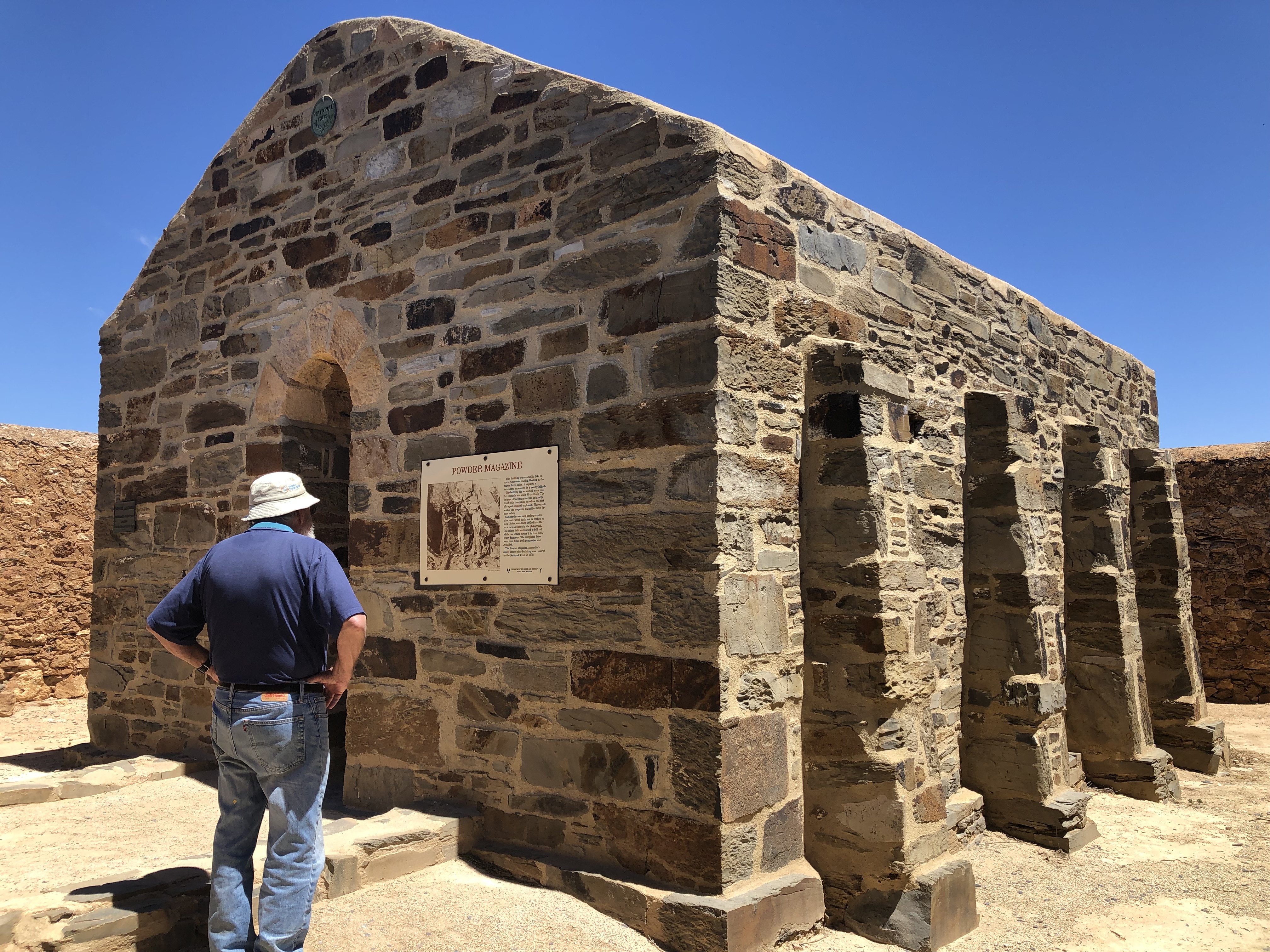
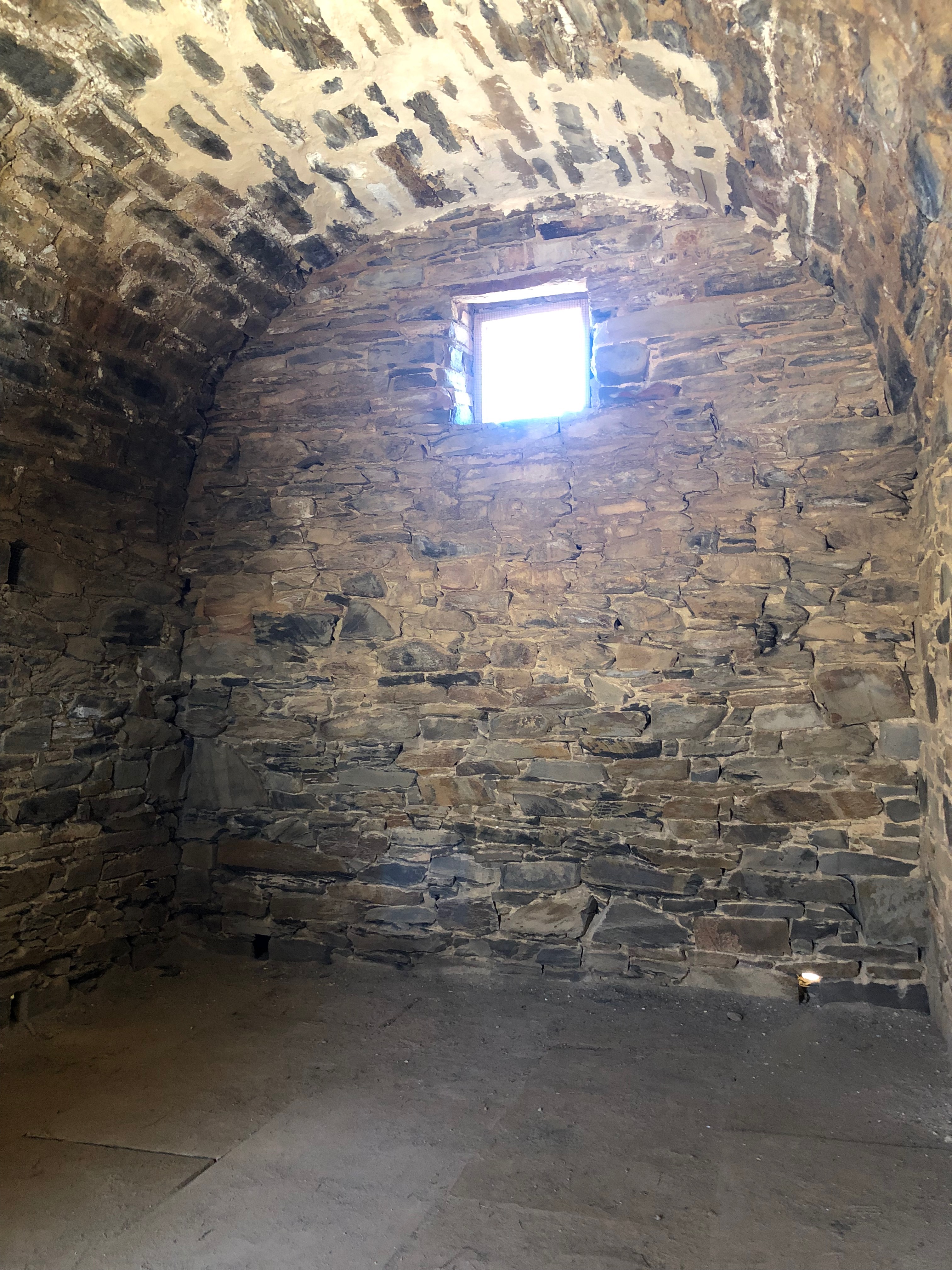
the old Powder Magazine, built in 1847, which is one of the oldest remaining mine buildings in Australia. It was used to store gunpowder used in blasting at the mine. As well as the arched roof, thick stone walls and an extra protective stone wall around the interior was also lined with sheepskin for added safety.
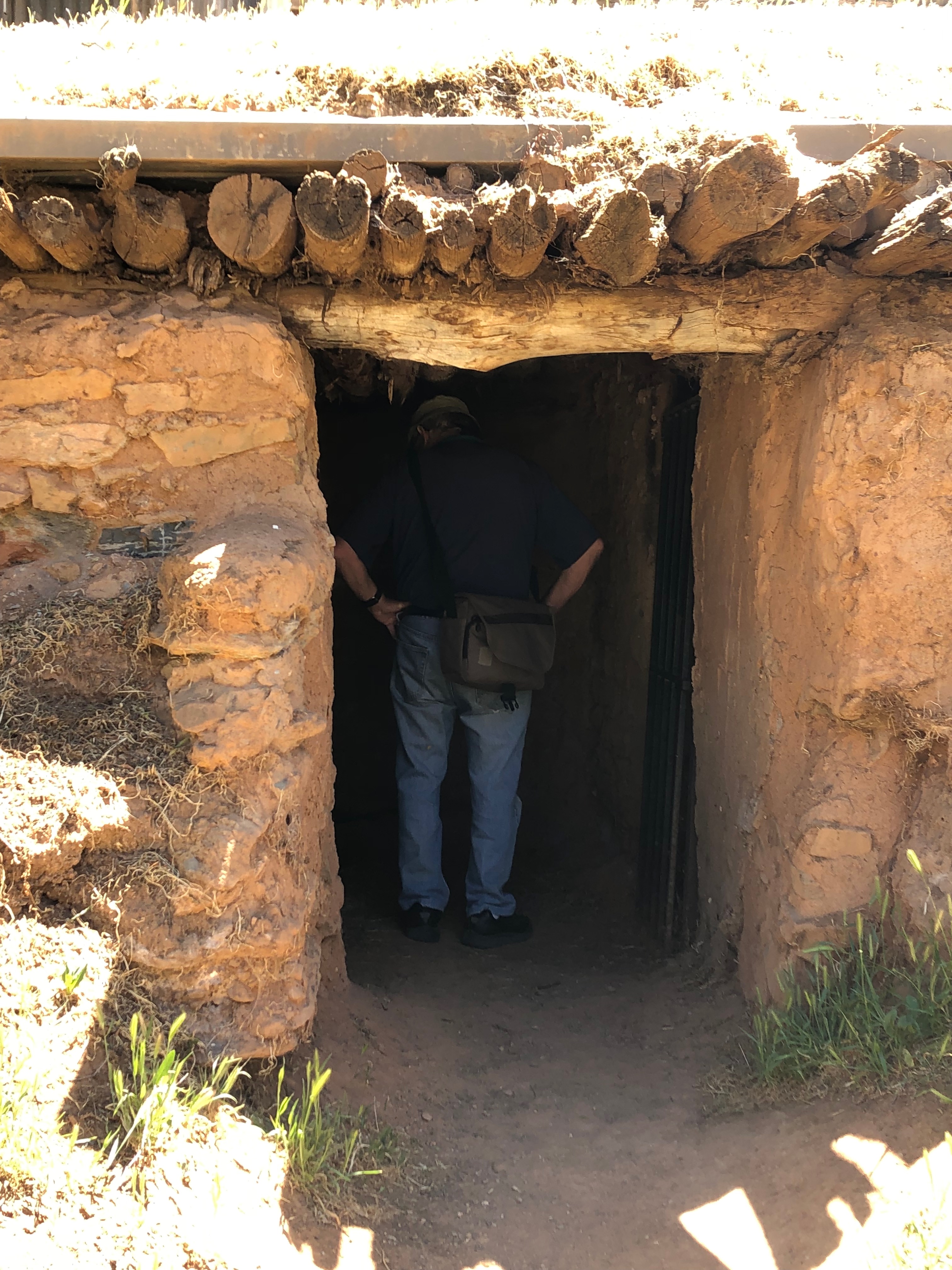
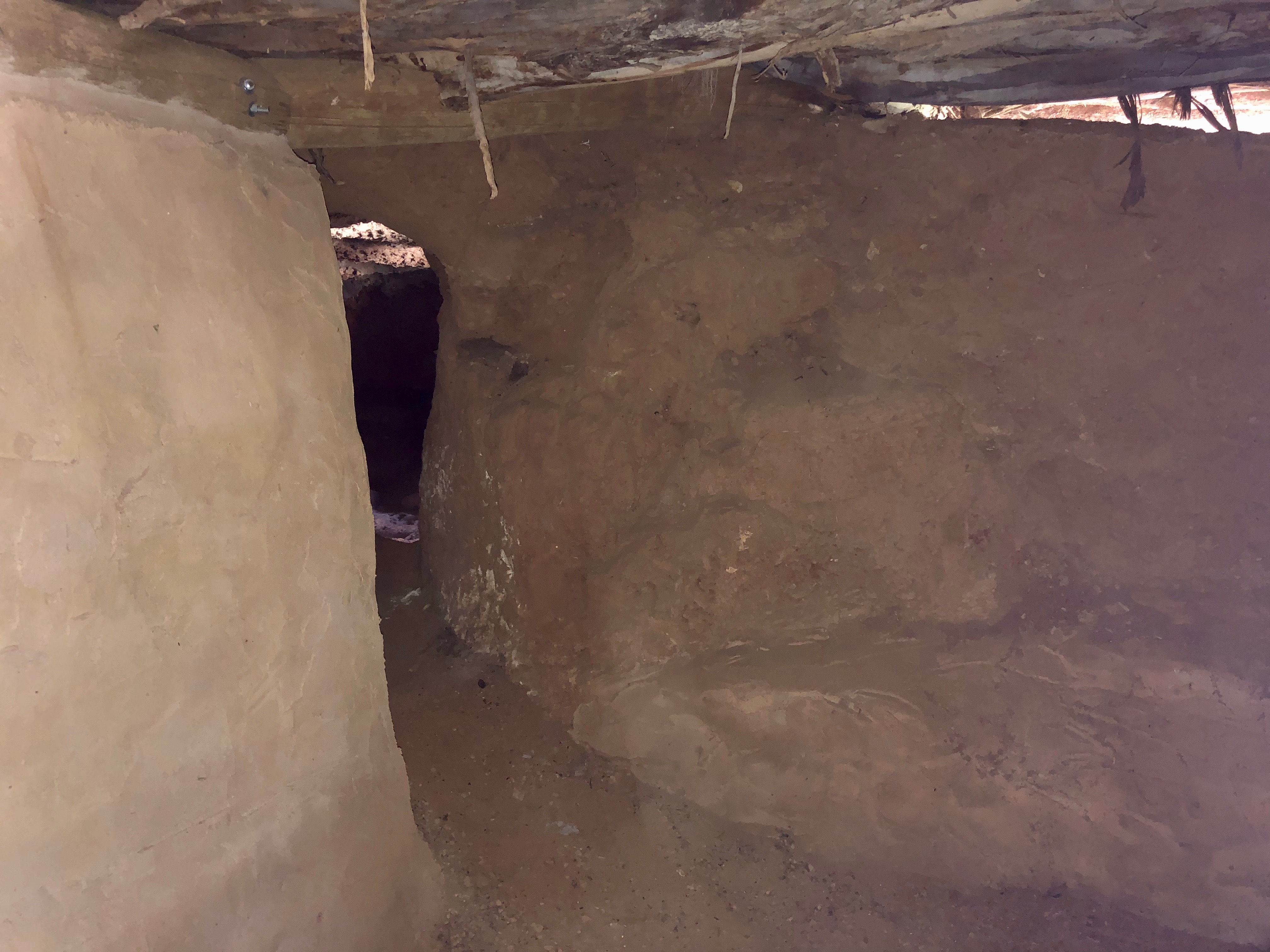
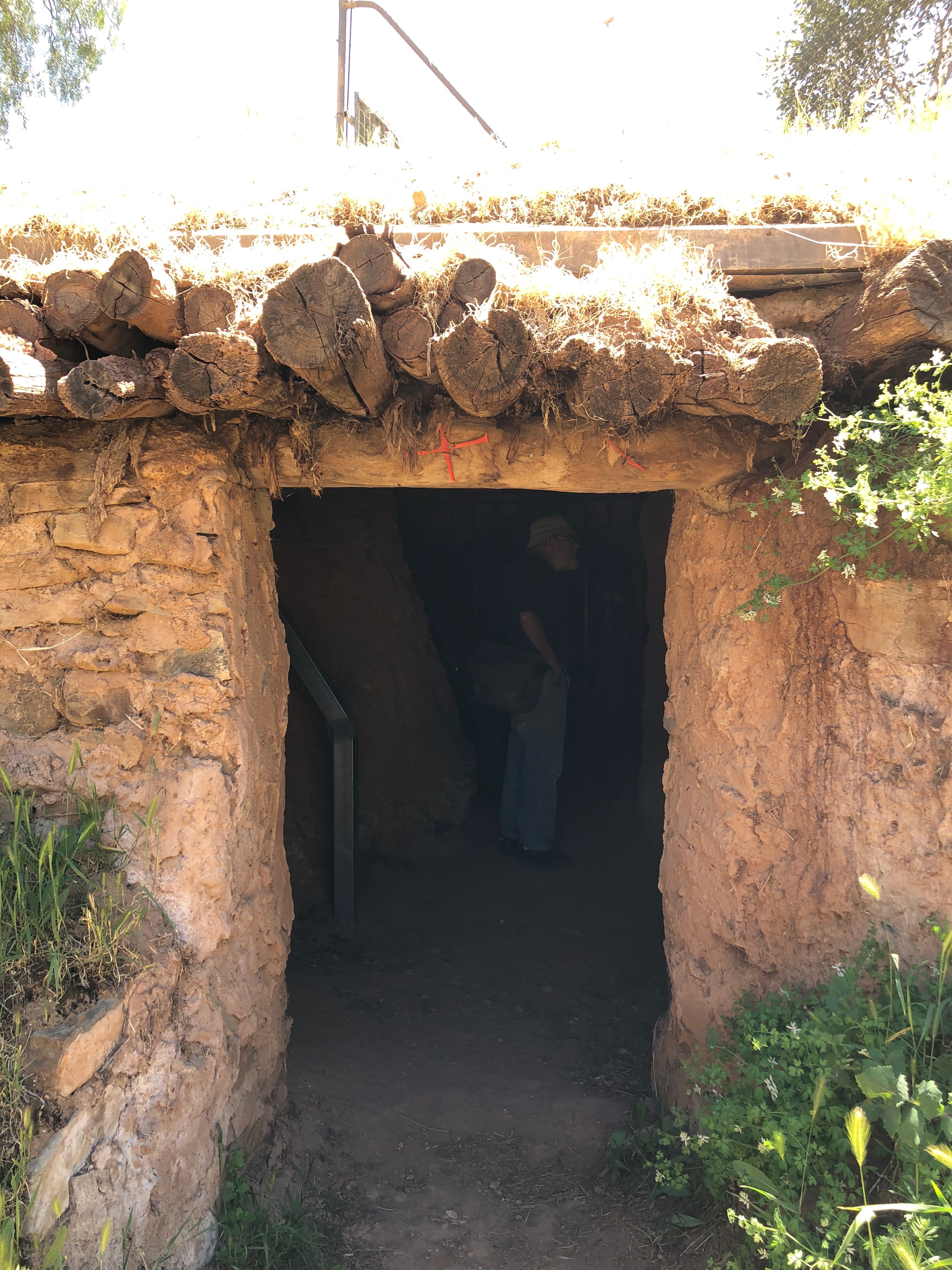
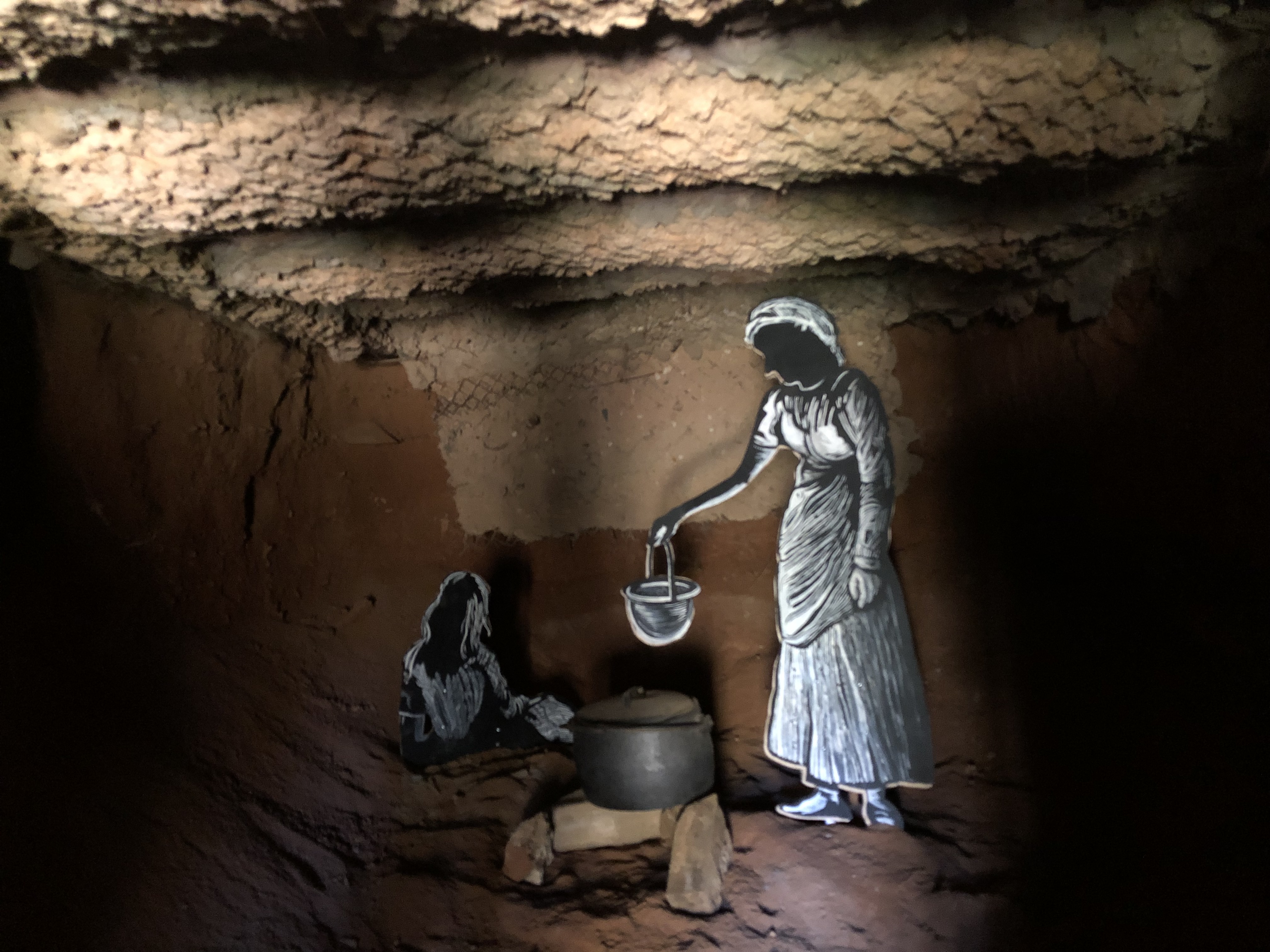
CORNISH MINER’S DUGOUTS
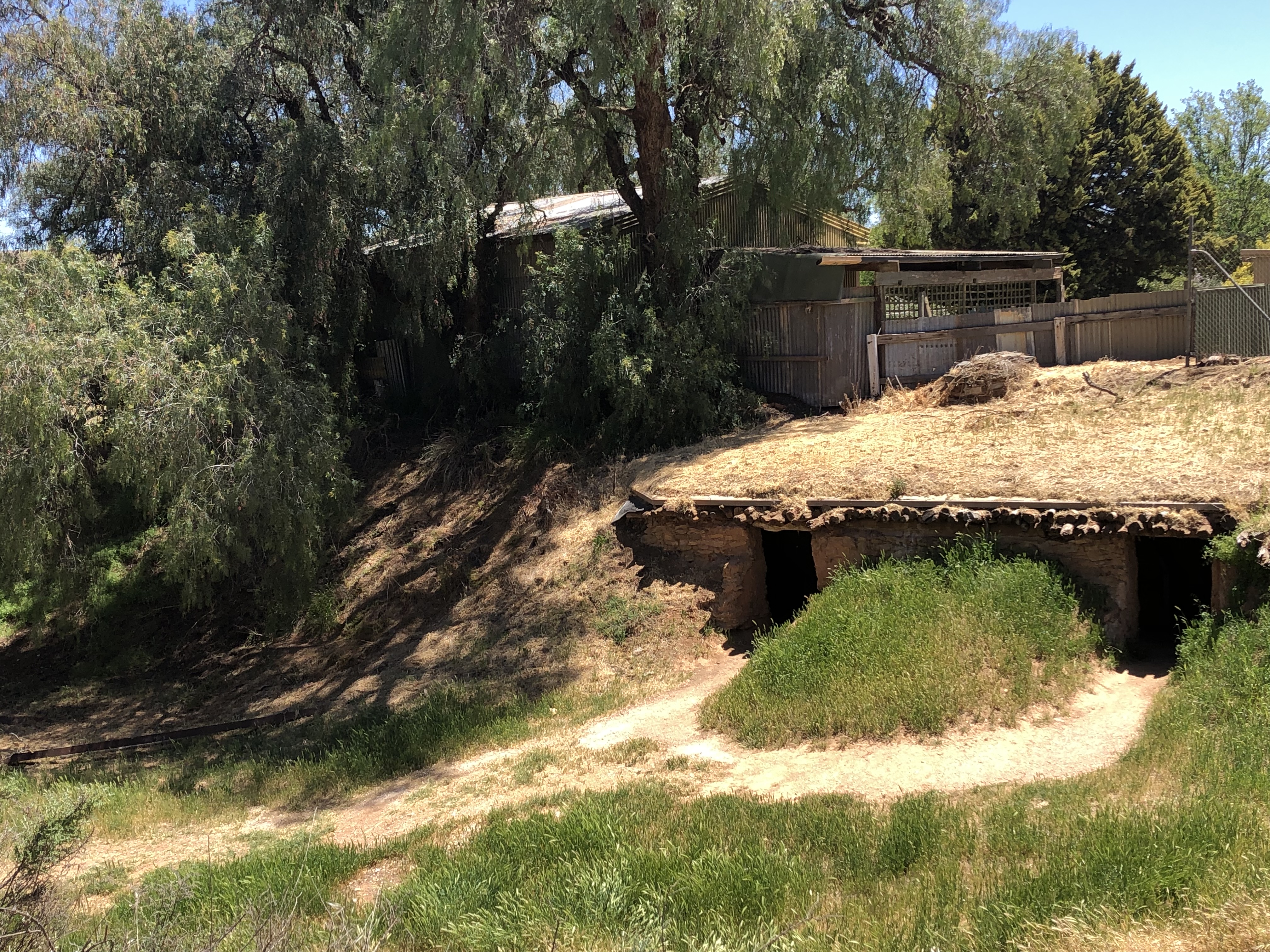
The housing shortage caused by the rapid development of the ‘Burra Burra’ Mine, forced about 600 of the early miners to live in cheaply and quickly constructed dugouts along the Burra Creek and tributaries. Most were deserted after the Burra Creek flooded, however three built into the bank of one of the tributaries still exist.

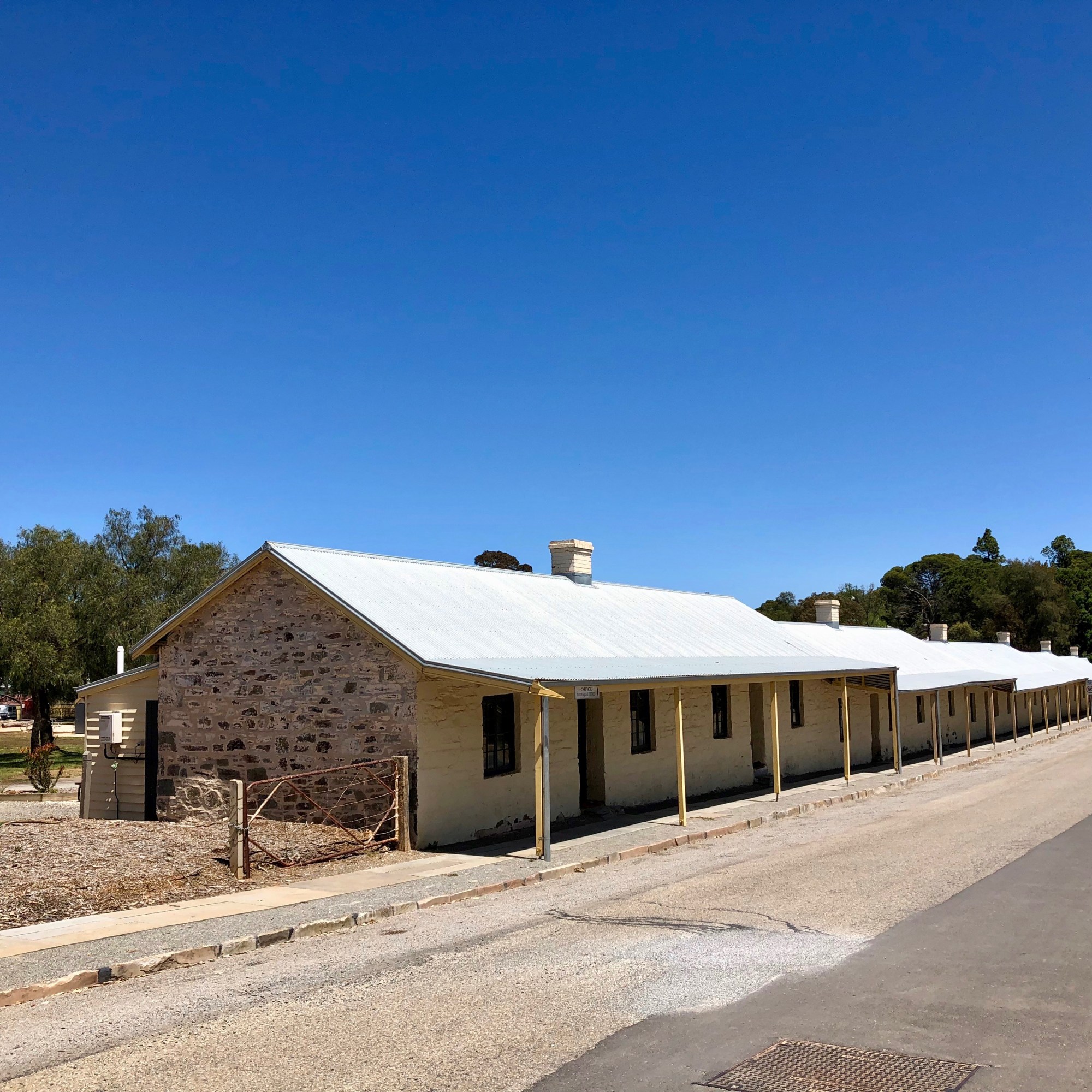
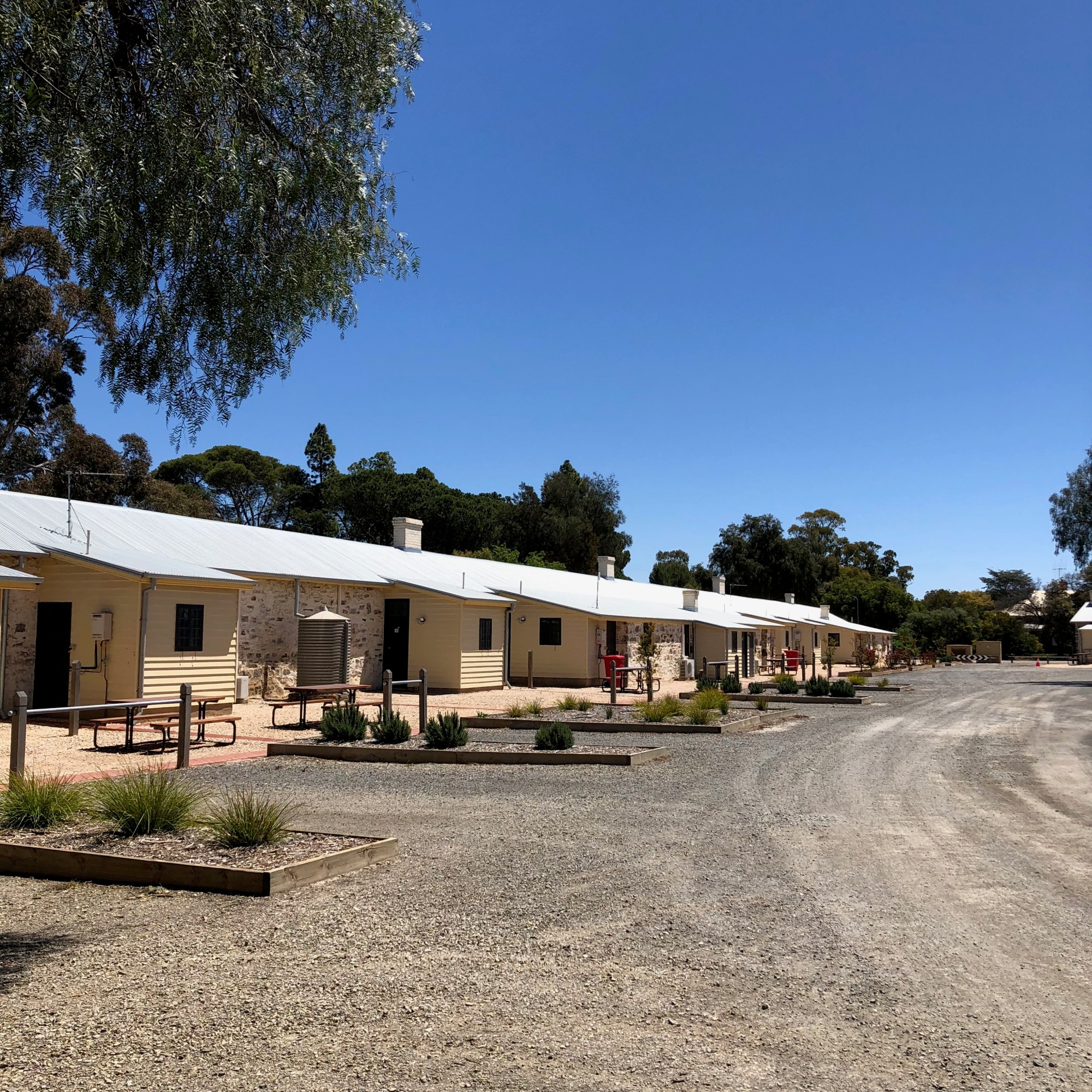
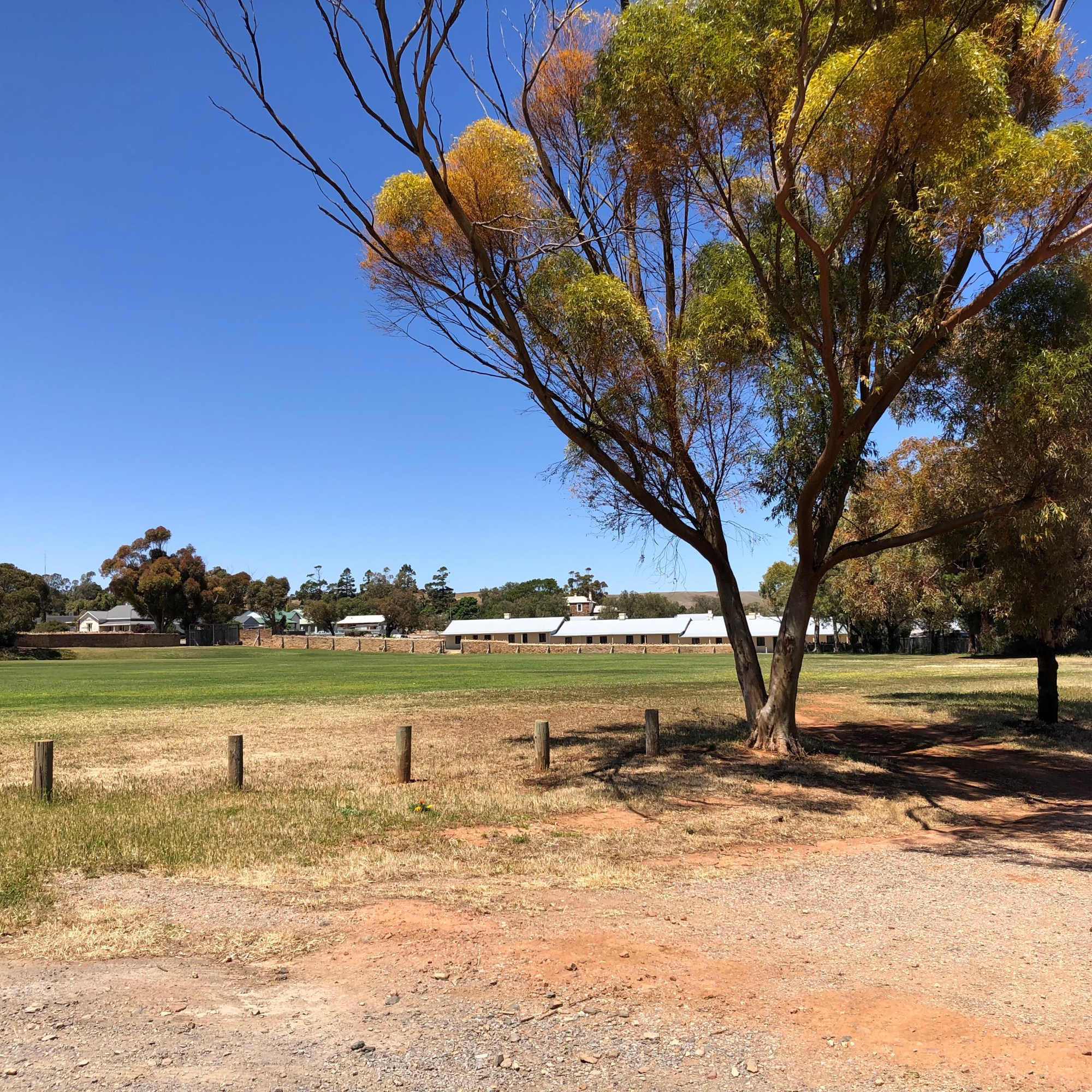
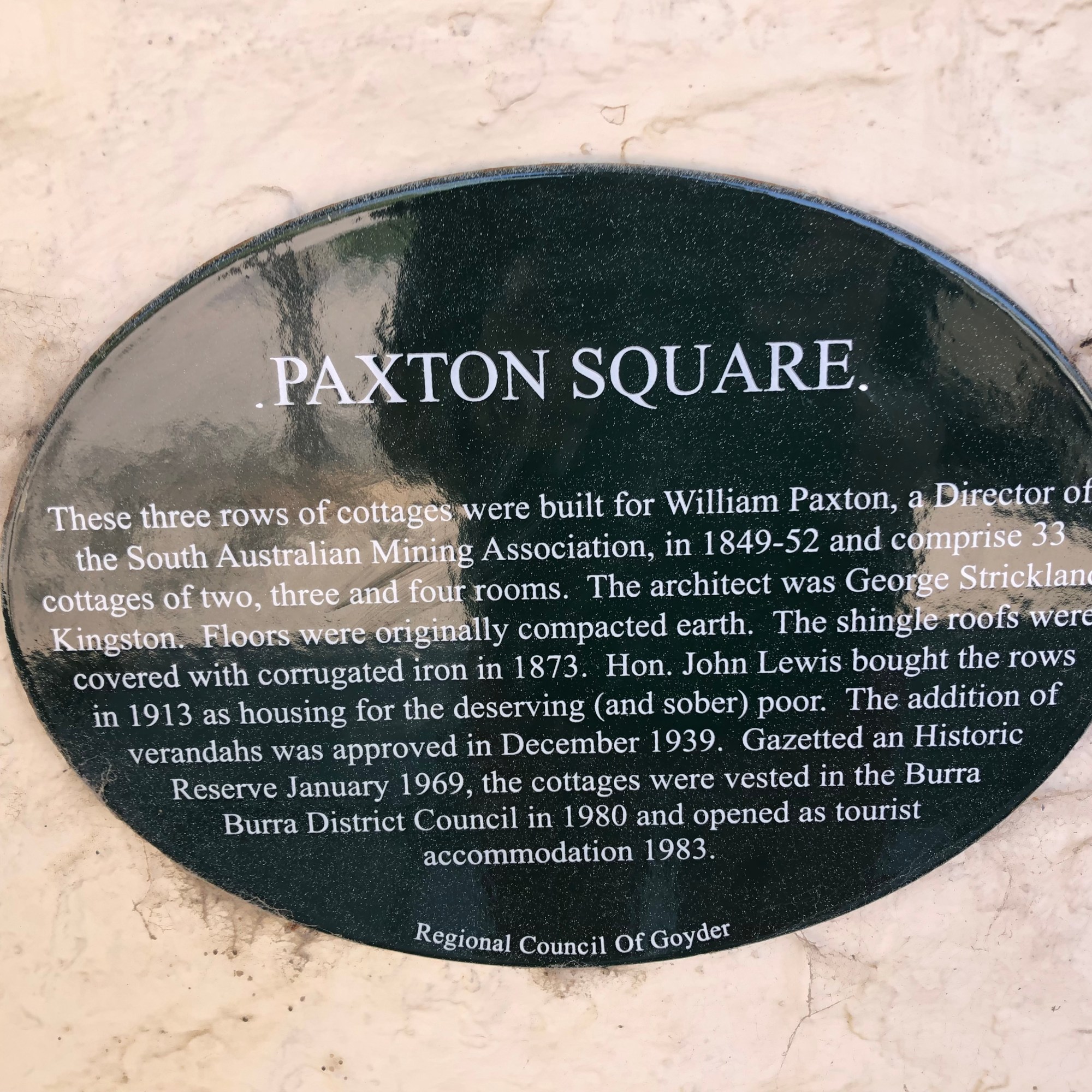
PAXTON SQUARE
The South Australian Mining Association built three rows of cottages, to encourage the miners living in the dugouts to relocate into more suitable housing.
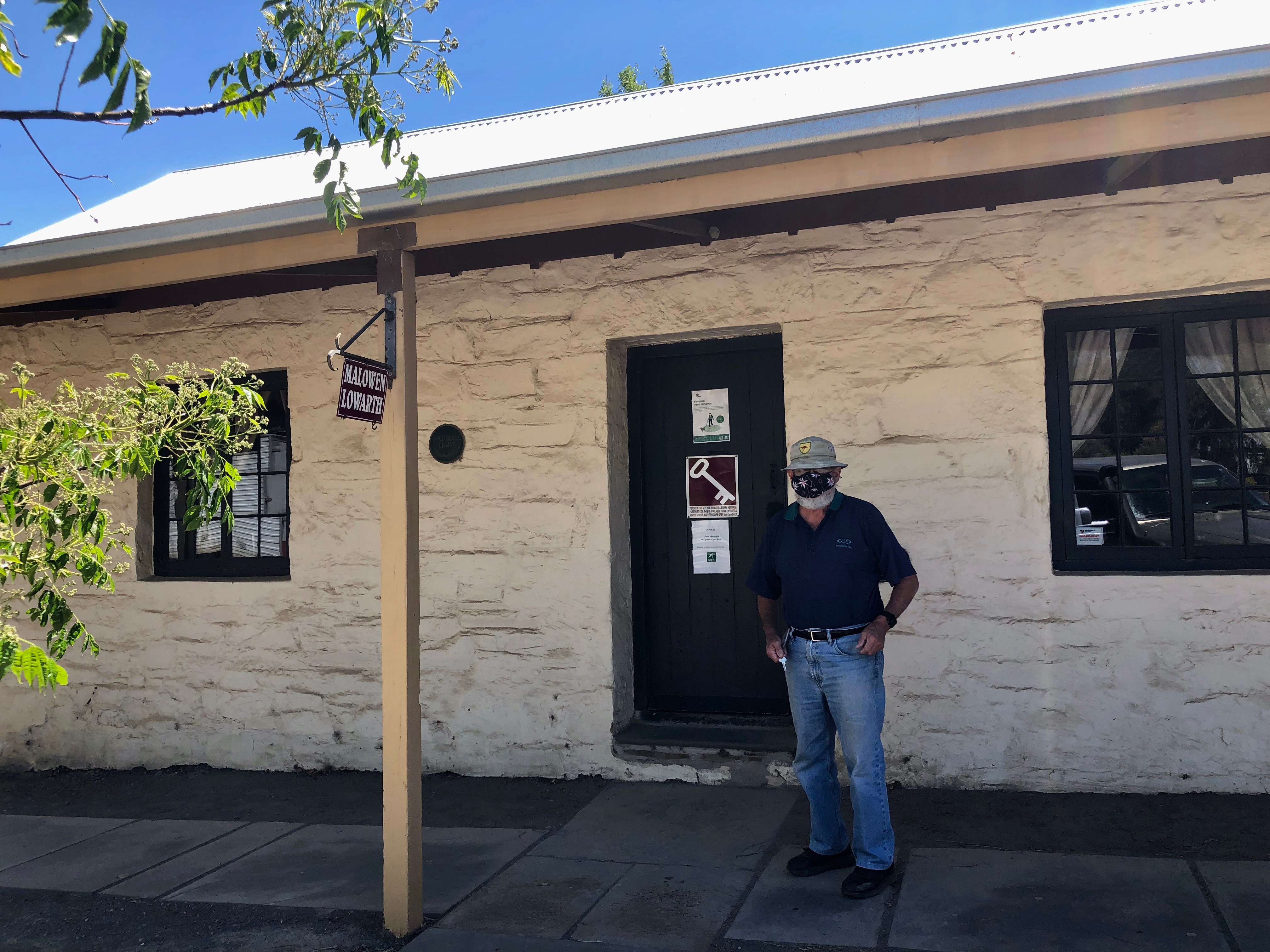
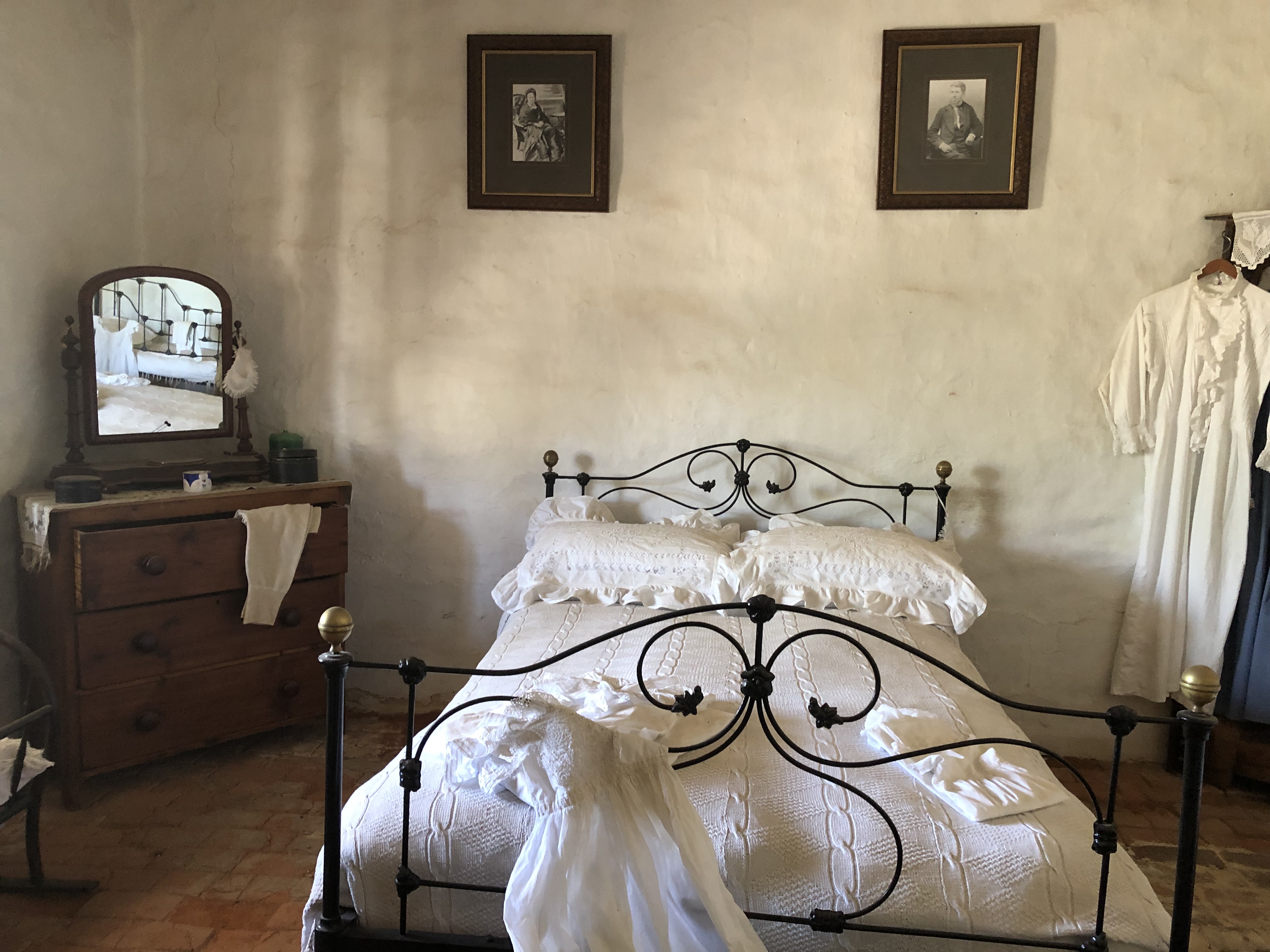
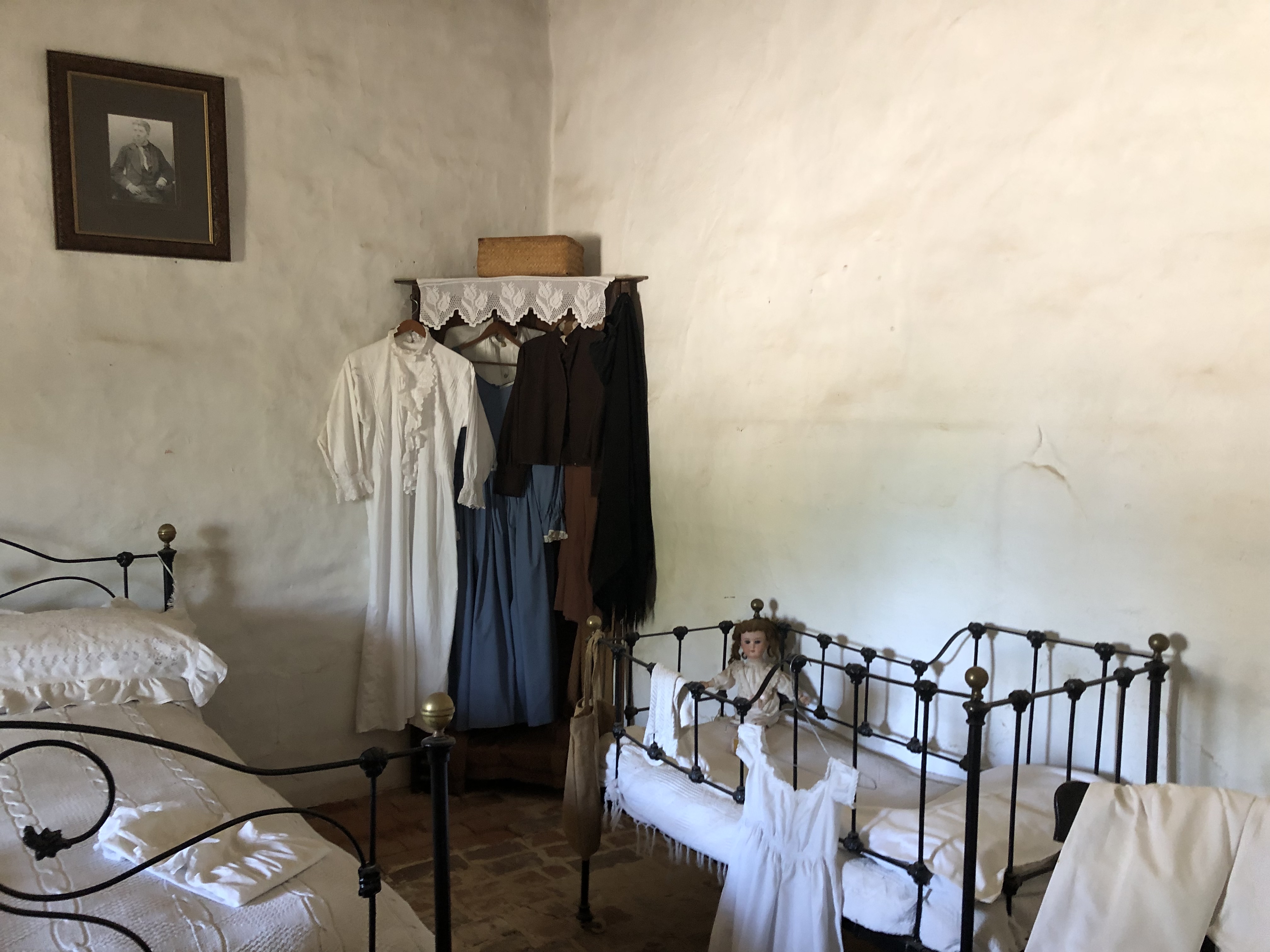
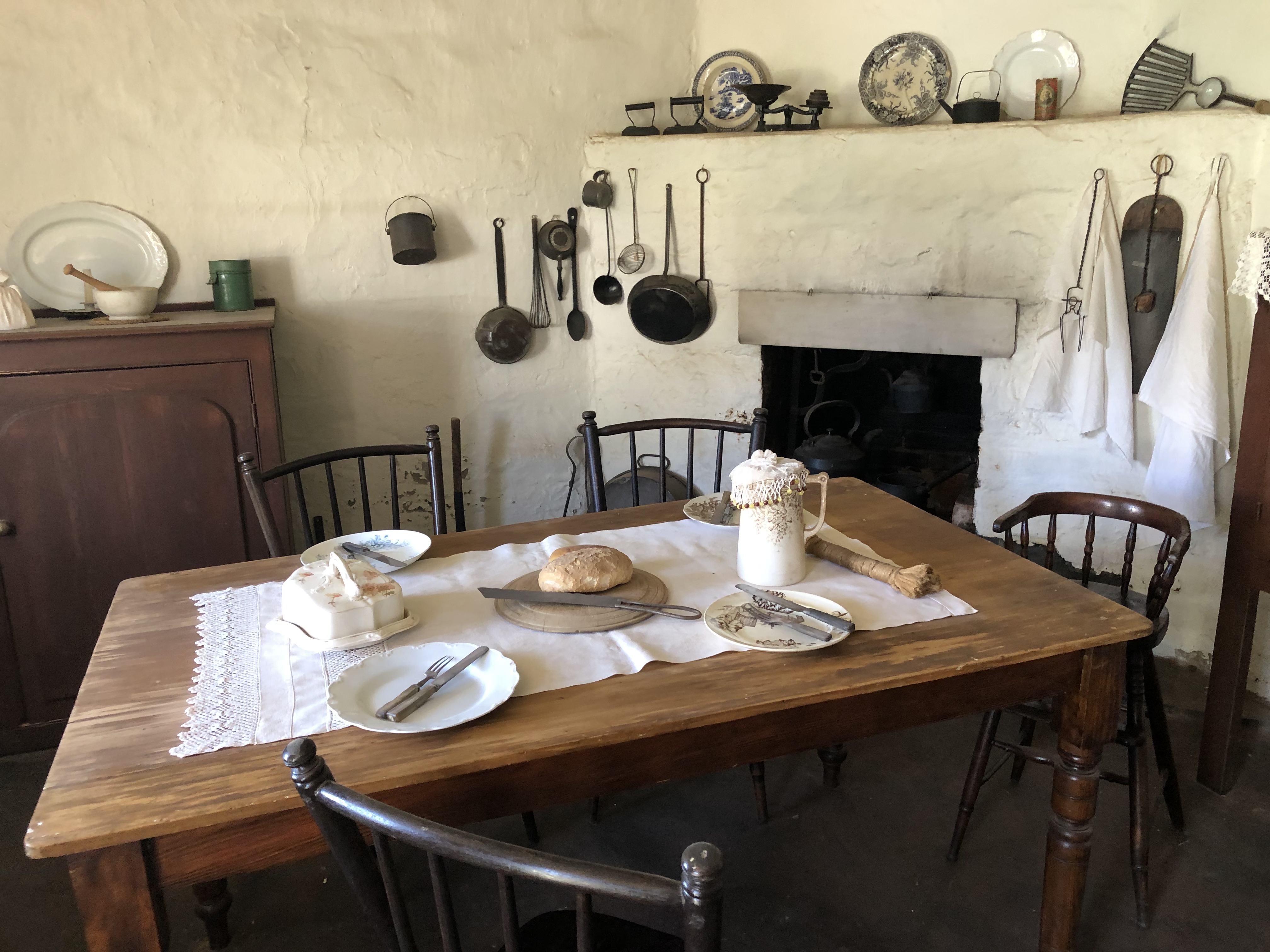
MALOWEN LOWARTH COTTAGE – 1850
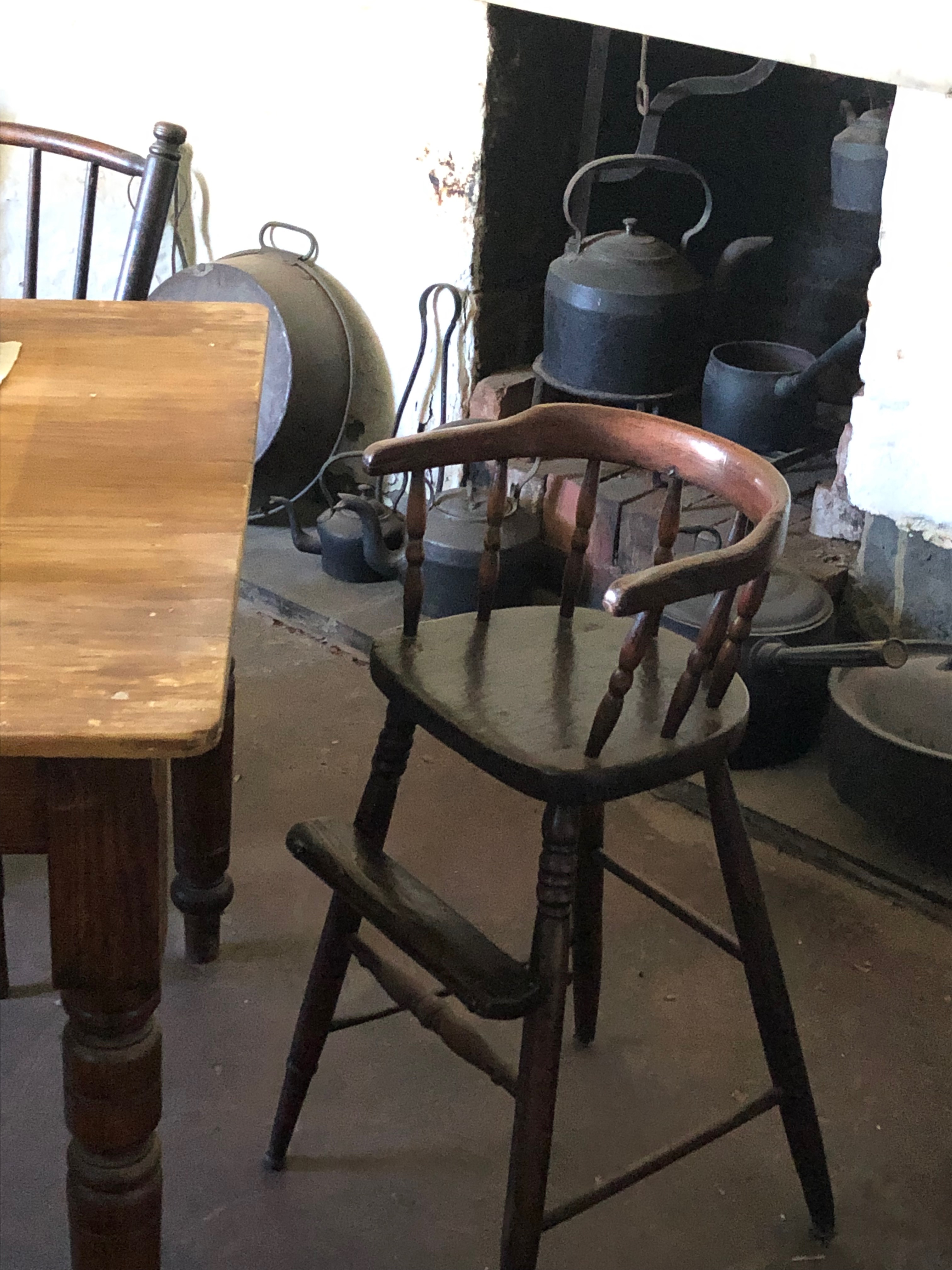
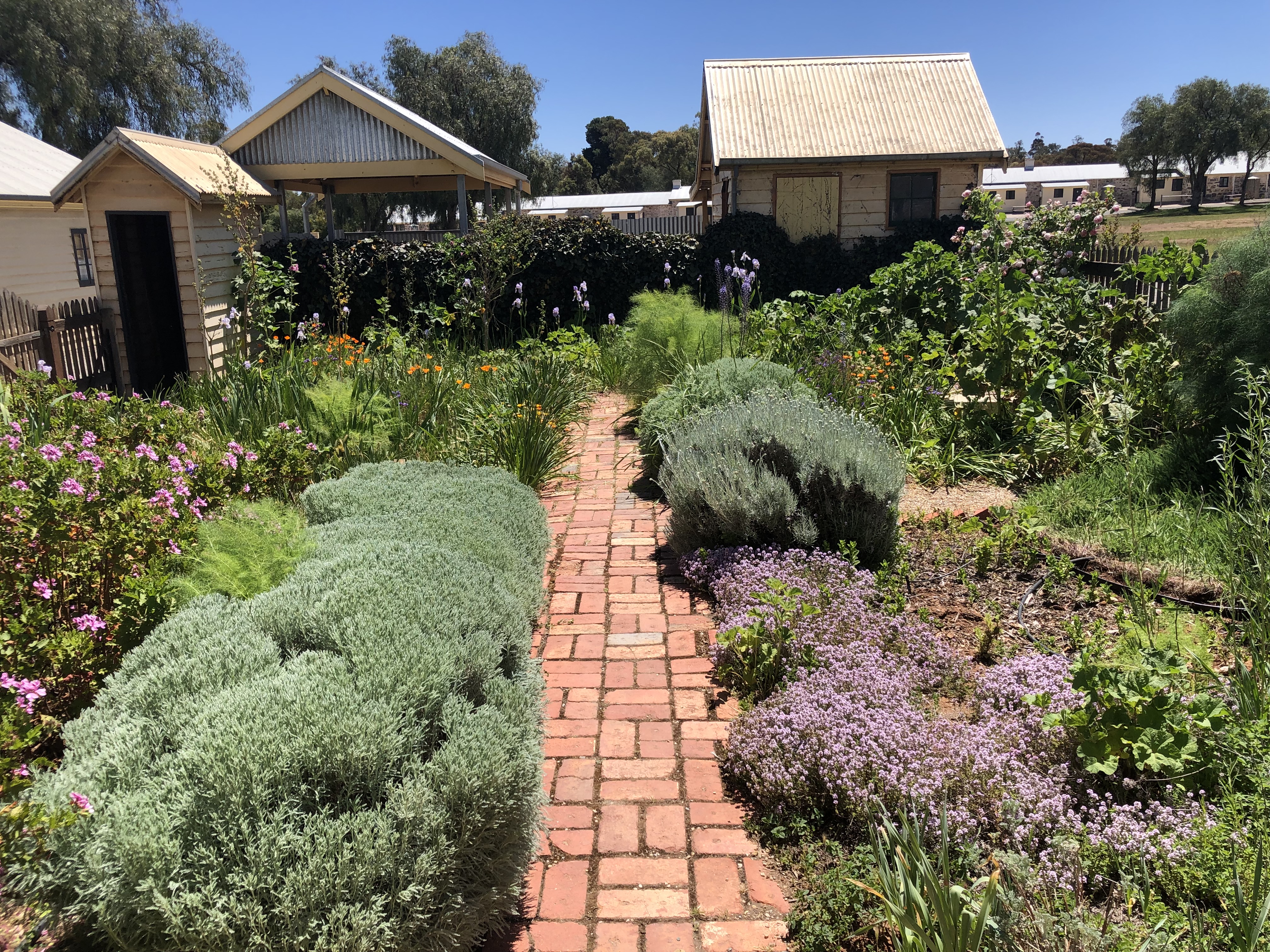
Our key also gave us access to this cottage, which is furnished in the style of an 1850-60 mine captains residence. The back garden, called Hollyhock Garden, is planted out with herbs and flowers of the period.


 ON THE ROAD
Thank you
John Sent from my iPad
>
LikeLike